
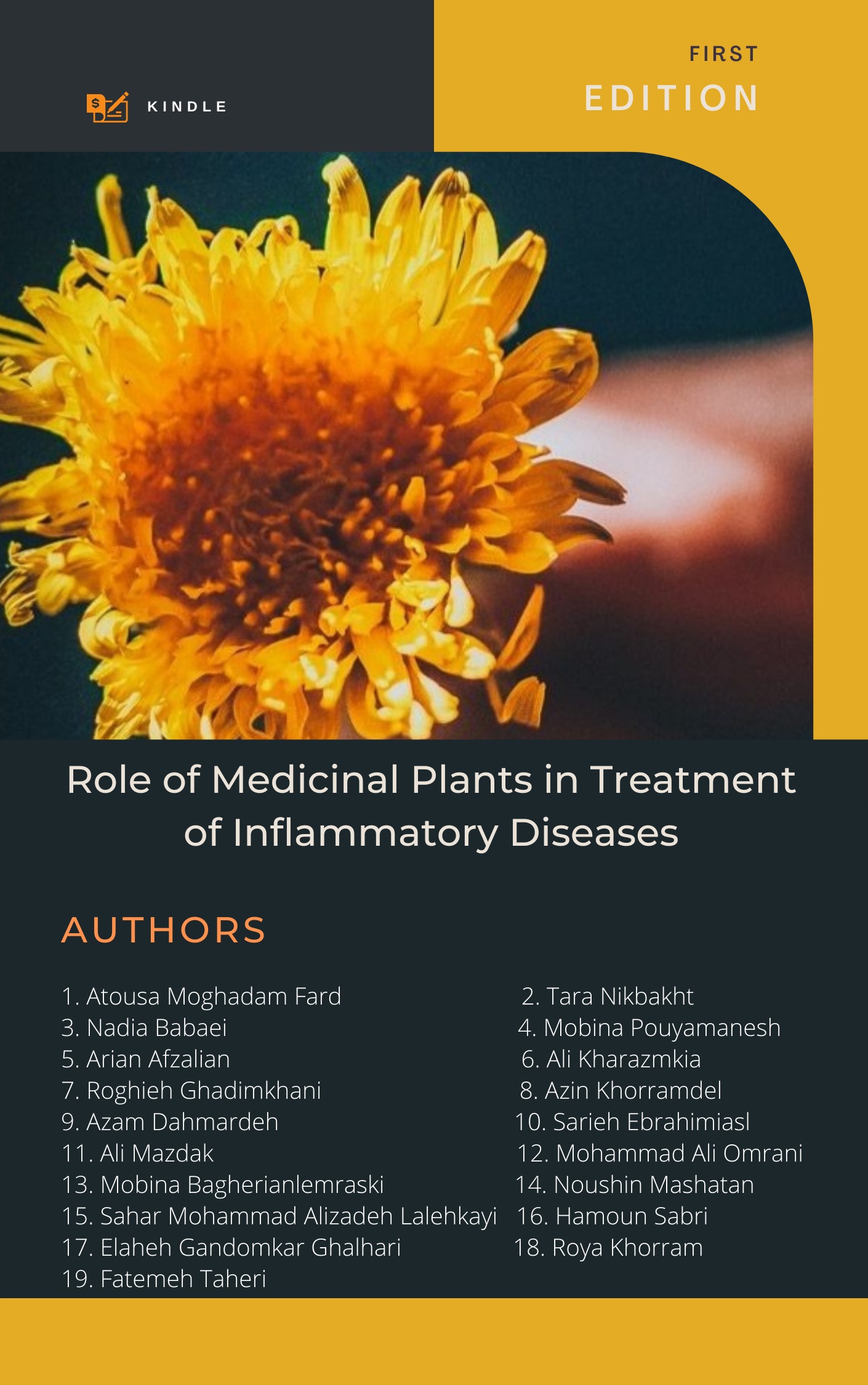
Academic Textbook: Role of Medicinal Plants in Treatment of Inflammatory Diseases
Keywords:
Medicinal Plants, Treatment, Inflammatory DiseasesAbstract
Medicinal plants are known as healthy sources for the prevention of different inflammatory and oxidative stress-related diseases. Currently there have been increasing interests in the benefit of medicinal plants. They possess a lot of phytochemical constituents with anti-inflammatory and antioxidant functions including phenolic compounds and carotenoids which have anti-inflammatory and antioxidant characteristics such as chain breaking antioxidants. Intake of carotenoids has revealed a significant decrease in the risk of several chronic and degenerative disorders. Phenolic compounds are commonly found in medicinal plants and food products and mainly consisted of phenolic acids, flavonoids and tannins. These compounds have a wide range of anti-inflammatory and antioxidant characteristics. Therefore, in this book, we aimed to review anti-inflammatory and antioxidant activities of medicinal plants for treatment of inflammatory diseases.
References
1. Jouad H, Haloui M, Rhiouani H, El Hilaly J, Eddouks M. Ethnobotanical survey of medicinal plants used for the treatment of diabetes, cardiac and renal diseases in the North centre region of Morocco (Fez-Boulemane). J Ethnopharmacol. 2001;77(2-3):175-82.
2. Naouaoui S, Fadili W, Chettati M, Laouad I. Medicinal plants and renal failure: A case-control study. Clin Nephrol. 2020;94(3):142-9.
3. Asad MH, Murtaza G, Ubaid M, Durr e S, Sajjad A, Mehmood R, et al. Naja naja karachiensis envenomation: biochemical parameters for cardiac, liver, and renal damage along with their neutralization by medicinal plants. Biomed Res Int. 2014;2014:970540.
4. Bafna PA, Balaraman R. Antioxidant activity of DHC-1, an herbal formulation, in experimentally-induced cardiac and renal damage. Phytother Res. 2005;19(3):216-21.
5. Maguire MJ, Chawla V. An association between herbal medicine ingestion and renal failure in Zambian infants. J Trop Pediatr. 1983;29(4):213-4.
6. Shen YL, Wang SJ, Rahman K, Zhang LJ, Zhang H. Chinese Herbal Formulas and Renal Fibrosis: An Overview. Curr Pharm Des. 2018;24(24):2774-81.
7. Guo Y, Jiang Q, Gui D, Wang N. Chinese Herbal Formulas Si-Wu-Tang and Er-Miao-San Synergistically Ameliorated Hyperuricemia and Renal Impairment in Rats Induced by Adenine and Potassium Oxonate. Cell Physiol Biochem. 2015;37(4):1491-502.
8. Akande IS, Ebuehi OA, Samuel TA, Onubogu IC, Esin H. Effects of herbal remedies (Agyanom mixture, Bolex bitters and Remedia mixture) on hepatic and renal functions in male rats. Nig Q J Hosp Med. 2010;20(2):70-6.
9. Myhre MJ. Herbal remedies, nephropathies, and renal disease. Nephrol Nurs J. 2000;27(5):473-8; quiz 9-80.
10. Al-Asmari AK, Khan HA, Manthiri RA, Al-Khlaiwi AA, Al-Asmari BA, Ibrahim KE. Protective effects of a natural herbal compound quercetin against snake venom-induced hepatic and renal toxicities in rats. Food Chem Toxicol. 2018;118:105-10.
11. Neame PB, Pillay VK. SPONTANEOUS HYPOGLYCAEMIA, HEPATIC AND RENAL NECROSIS FOLLOWING THE INTAKE OF HERBAL MEDICINES. S Afr Med J. 1964;38:729-32.
12. Li J, Gong X. Tetramethylpyrazine: An Active Ingredient of Chinese Herbal Medicine With Therapeutic Potential in Acute Kidney Injury and Renal Fibrosis. Front Pharmacol. 2022;13:820071.
13. Cai Y, Chen J, Jiang J, Cao W, He L. Zhen-wu-tang, a blended traditional Chinese herbal medicine, ameliorates proteinuria and renal damage of streptozotocin-induced diabetic nephropathy in rats. J Ethnopharmacol. 2010;131(1):88-94.
14. Kaneko Y, Eve DJ, Yu S, Shojo H, Bae EC, Park DH, et al. Acute Treatment With Herbal Extracts Provides Neuroprotective Benefits in In Vitro and In Vivo Stroke Models, Characterized by Reduced Ischemic Cell Death and Maintenance of Motor and Neurological Functions. Cell Med. 2010;1(3):137-42.
15. Brunetti P, Lo Faro AF, Tini A, Busardò FP, Carlier J. Pharmacology of Herbal Sexual Enhancers: A Review of Psychiatric and Neurological Adverse Effects. Pharmaceuticals (Basel). 2020;13(10).
16. Ernst E. Serious psychiatric and neurological adverse effects of herbal medicines -- a systematic review. Acta Psychiatr Scand. 2003;108(2):83-91.
17. Kazemipoor M, Hajifaraji M, Radzi CW, Shamshirband S, Petković D, Mat Kiah ML. Appraisal of adaptive neuro-fuzzy computing technique for estimating anti-obesity properties of a medicinal plant. Comput Methods Programs Biomed. 2015;118(1):69-76.
18. Urdaneta KE, Castillo MA, Montiel N, Semprún-Hernández N, Antonucci N, Siniscalco D. Autism Spectrum Disorders: Potential Neuro-Psychopharmacotherapeutic Plant-Based Drugs. Assay Drug Dev Technol. 2018;16(8):433-44.
19. Ahmed HK, Zulquernain M. Expert system to predict effects of noise pollution on operators of power plant using neuro-fuzzy approach. Noise Health. 2009;11(45):206-16.
20. Civelekoglu G, Yigit NO, Diamadopoulos E, Kitis M. Modelling of COD removal in a biological wastewater treatment plant using adaptive neuro-fuzzy inference system and artificial neural network. Water Sci Technol. 2009;60(6):1475-87.
21. Calvo P, Trewavas A. Physiology and the (Neuro)biology of Plant Behavior: A Farewell to Arms. Trends Plant Sci. 2020;25(3):214-6.
22. Jiraungkoorskul W. Review of Neuro-nutrition Used as Anti-Alzheimer Plant, Spinach, Spinacia oleracea. Pharmacogn Rev. 2016;10(20):105-8.
23. Uribe LA, Leonardo S, Nielsen TT, Steinmann C, Campàs M, Fragoso A. Supramolecular Complexes of Plant Neurotoxin Veratridine with Cyclodextrins and Their Antidote-like Effect on Neuro-2a Cell Viability. Pharmaceutics. 2022;14(3).
24. Yoshikawa M, Sugimoto S, Kato Y, Nakamura S, Wang T, Yamashita C, et al. Acylated oleanane-type triterpene saponins with acceleration of gastrointestinal transit and inhibitory effect on pancreatic lipase from flower buds of chinese tea plant (Camellia sinensis). Chem Biodivers. 2009;6(6):903-15.
25. Hördegen P, Hertzberg H, Heilmann J, Langhans W, Maurer V. The anthelmintic efficacy of five plant products against gastrointestinal trichostrongylids in artificially infected lambs. Vet Parasitol. 2003;117(1-2):51-60.
26. Stepek G, Lowe AE, Buttle DJ, Duce IR, Behnke JM. The anthelmintic efficacy of plant-derived cysteine proteinases against the rodent gastrointestinal nematode, Heligmosomoides polygyrus, in vivo. Parasitology. 2007;134(Pt 10):1409-19.
27. Cogo LL, Monteiro CL, Miguel MD, Miguel OG, Cunico MM, Ribeiro ML, et al. Anti-Helicobacter pylori activity of plant extracts traditionally used for the treatment of gastrointestinal disorders. Braz J Microbiol. 2010;41(2):304-9.
28. Netherwood T, Martín-Orúe SM, O'Donnell AG, Gockling S, Graham J, Mathers JC, et al. Assessing the survival of transgenic plant DNA in the human gastrointestinal tract. Nat Biotechnol. 2004;22(2):204-9.
29. Stepek G, Buttle DJ, Duce IR, Lowe A, Behnke JM. Assessment of the anthelmintic effect of natural plant cysteine proteinases against the gastrointestinal nematode, Heligmosomoides polygyrus, in vitro. Parasitology. 2005;130(Pt 2):203-11.
30. Marzorati M, Maignien L, Verhelst A, Luta G, Sinnott R, Kerckhof FM, et al. Barcoded pyrosequencing analysis of the microbial community in a simulator of the human gastrointestinal tract showed a colon region-specific microbiota modulation for two plant-derived polysaccharide blends. Antonie Van Leeuwenhoek. 2013;103(2):409-20.
31. Murakami T, Nakamura J, Kageura T, Matsuda H, Yoshikawa M. Bioactive saponins and glycosides. XVII. Inhibitory effect on gastric emptying and accelerating effect on gastrointestinal transit of tea saponins: structures of assamsaponins F, G, H, I, and J from the seeds and leaves of the tea plant. Chem Pharm Bull (Tokyo). 2000;48(11):1720-5.
32. Ketnawa S, Reginio FC, Jr., Thuengtung S, Ogawa Y. Changes in bioactive compounds and antioxidant activity of plant-based foods by gastrointestinal digestion: a review. Crit Rev Food Sci Nutr. 2022;62(17):4684-705.
33. Colgrave ML, Kotze AC, Huang YH, O'Grady J, Simonsen SM, Craik DJ. Cyclotides: natural, circular plant peptides that possess significant activity against gastrointestinal nematode parasites of sheep. Biochemistry. 2008;47(20):5581-9.
34. Zhou H, Hu Y, Tan Y, Zhang Z, McClements DJ. Digestibility and gastrointestinal fate of meat versus plant-based meat analogs: An in vitro comparison. Food Chem. 2021;364:130439.
35. Ozel B, Zhang Z, He L, McClements DJ. Digestion of animal- and plant-based proteins encapsulated in κ-carrageenan/protein beads under simulated gastrointestinal conditions. Food Res Int. 2020;137:109662.
36. Poli C, Thornton-Kurth KJ, Legako JF, Bremm C, Hampel VS, Hall J, et al. The effect of plant bioactive compounds on lamb performance, intake, gastrointestinal parasite burdens, and lipid peroxidation in muscle. J Anim Sci. 2021;99(1).
37. Niezen JH, Charleston WA, Hodgson J, Miller CM, Waghorn TS, Robertson HA. Effect of plant species on the larvae of gastrointestinal nematodes which parasitise sheep. Int J Parasitol. 1998;28(5):791-803.
38. Lo HH, Chung JG. The effects of plant phenolics, caffeic acid, chlorogenic acid and ferulic acid on arylamine N-acetyltransferase activities in human gastrointestinal microflora. Anticancer Res. 1999;19(1a):133-9.
39. Xue F, Shi L, Li Y, Ni A, Ma H, Sun Y, et al. Effects of replacing dietary Aureomycin with a combination of plant essential oils on production performance and gastrointestinal health of broilers. Poult Sci. 2020;99(9):4521-9.
40. Miedes D, Makran M, Barberá R, Cilla A, Alegría A, Garcia-Llatas G. Elderly gastrointestinal conditions increase sterol bioaccessibility in a plant sterol-enriched beverage: adaptation of the INFOGEST method. Food Funct. 2022;13(8):4478-85.
41. Martínez-Las Heras R, Pinazo A, Heredia A, Andrés A. Evaluation studies of persimmon plant (Diospyros kaki) for physiological benefits and bioaccessibility of antioxidants by in vitro simulated gastrointestinal digestion. Food Chem. 2017;214:478-85.
42. Dugardin C, Cudennec B, Tourret M, Caron J, Guérin-Deremaux L, Behra-Miellet J, et al. Explorative Screening of Bioactivities Generated by Plant-Based Proteins after In Vitro Static Gastrointestinal Digestion. Nutrients. 2020;12(12).
43. Morrison M, Daugherty SC, Nelson WC, Davidsen T, Nelson KE. The FibRumBa database: a resource for biologists with interests in gastrointestinal microbial ecology, plant biomass degradation, and anaerobic microbiology. Microb Ecol. 2010;59(2):212-3.
44. Walz LS, Ellis WC, White TW, Matis JH, Bateman HG, Williams CC, et al. Flow paths of plant tissue residues and digesta through gastrointestinal segments in Spanish goats and methodological considerations. J Anim Sci. 2004;82(2):508-20.
45. Lorkowski G. Gastrointestinal absorption and biological activities of serine and cysteine proteases of animal and plant origin: review on absorption of serine and cysteine proteases. Int J Physiol Pathophysiol Pharmacol. 2012;4(1):10-27.
46. Lavelle EC, Grant G, Pfuller U, O'Hagan DT. Immunological implications of the use of plant lectins for drug and vaccine targeting to the gastrointestinal tract. J Drug Target. 2004;12(2):89-95.
47. Pei Y, Ai T, Deng Z, Wu D, Liang H, McClements DJ, et al. Impact of plant extract on the gastrointestinal fate of nutraceutical-loaded nanoemulsions: phytic acid inhibits lipid digestion but enhances curcumin bioaccessibility. Food Funct. 2019;10(6):3344-55.
48. Stepek G, Lowe AE, Buttle DJ, Duce IR, Behnke JM. In vitro and in vivo anthelmintic efficacy of plant cysteine proteinases against the rodent gastrointestinal nematode, Trichuris muris. Parasitology. 2006;132(Pt 5):681-9.
49. Esteban-Ballesteros M, Sanchis J, Gutiérrez-Corbo C, Balaña-Fouce R, Rojo-Vázquez FA, González-Lanza C, et al. In vitro anthelmintic activity and safety of different plant species against the ovine gastrointestinal nematode Teladorsagia circumcincta. Res Vet Sci. 2019;123:153-8.
50. Giovanelli F, Mattellini M, Fichi G, Flamini G, Perrucci S. In Vitro Anthelmintic Activity of Four Plant-Derived Compounds against Sheep Gastrointestinal Nematodes. Vet Sci. 2018;5(3).
51. Paolini V, Fouraste I, Hoste H. In vitro effects of three woody plant and sainfoin extracts on 3rd-stage larvae and adult worms of three gastrointestinal nematodes. Parasitology. 2004;129(Pt 1):69-77.
52. Ndlela SZ, Mkwanazi MV, Chimonyo M. In vitro efficacy of plant extracts against gastrointestinal nematodes in goats. Trop Anim Health Prod. 2021;53(2):295.
53. Marzorati M, Verhelst A, Luta G, Sinnott R, Verstraete W, Van de Wiele T, et al. In vitro modulation of the human gastrointestinal microbial community by plant-derived polysaccharide-rich dietary supplements. Int J Food Microbiol. 2010;139(3):168-76.
54. Li SX, Mu Y, Zheng FY. Influence of gastrointestinal digestion and edible plant combination on oral bioavailability of triterpene saponins, using a biomimetic digestion and absorption system and determination by HPLC. J Agric Food Chem. 2013;61(44):10599-603.
55. Mendel M, Chłopecka M, Dziekan N, Karlik W. Interactions between erythromycin, flunixin meglumine, levamisole and plant secondary metabolites towards bovine gastrointestinal motility-in vitro study. J Vet Pharmacol Ther. 2018;41(2):281-91.
56. Mózsik G, Past T, Abdel Salam OM, Kuzma M, Perjési P. Interdisciplinary review for correlation between the plant origin capsaicinoids, non-steroidal antiinflammatory drugs, gastrointestinal mucosal damage and prevention in animals and human beings. Inflammopharmacology. 2009;17(3):113-50.
57. Tekwu EM, Pieme AC, Beng VP. Investigations of antimicrobial activity of some Cameroonian medicinal plant extracts against bacteria and yeast with gastrointestinal relevance. J Ethnopharmacol. 2012;142(1):265-73.
58. Sarić M, Curin K. Malignant tumours of the gastrointestinal tract in an area with an asbestos-cement plant. Cancer Lett. 1996;103(2):191-9.
59. Szentmihályi K, May Z, Süle K, Then M. [Mineral content of some herbs and plant extracts with anti-inflammatory effect used in gastrointestinal diseases]. Orv Hetil. 2013;154(14):538-43.
60. Patra AK, Amasheh S, Aschenbach JR. Modulation of gastrointestinal barrier and nutrient transport function in farm animals by natural plant bioactive compounds - A comprehensive review. Crit Rev Food Sci Nutr. 2019;59(20):3237-66.
61. Andleeb S, Shafique I, Naseer A, Abbasi WA, Ejaz S, Liaqat I, et al. Molecular characterization of plant growth-promoting vermi-bacteria associated with Eisenia fetida gastrointestinal tract. PloS one. 2022;17(6):e0269946.
62. Corte-Real J, Bertucci M, Soukoulis C, Desmarchelier C, Borel P, Richling E, et al. Negative effects of divalent mineral cations on the bioaccessibility of carotenoids from plant food matrices and related physical properties of gastro-intestinal fluids. Food Funct. 2017;8(3):1008-19.
63. Larue R, Yu Z, Parisi VA, Egan AR, Morrison M. Novel microbial diversity adherent to plant biomass in the herbivore gastrointestinal tract, as revealed by ribosomal intergenic spacer analysis and rrs gene sequencing. Environ Microbiol. 2005;7(4):530-43.
64. Siegień J, Buchholz T, Popowski D, Granica S, Osińska E, Melzig MF, et al. Pancreatic lipase and α-amylase inhibitory activity of extracts from selected plant materials after gastrointestinal digestion in vitro. Food Chem. 2021;355:129414.
65. Amrani-Allalou H, Boulekbache-Makhlouf L, Izzo L, Arkoub-Djermoune L, Freidja ML, Mouhoubi K, et al. Phenolic compounds from an Algerian medicinal plant (Pallenis spinosa): simulated gastrointestinal digestion, characterization, and biological and enzymatic activities. Food Funct. 2021;12(3):1291-304.
66. Moreno-Salazar SF, Robles-Zepeda RE, Johnson DE. Plant folk medicines for gastrointestinal disorders among the main tribes of Sonora, Mexico. Fitoterapia. 2008;79(2):132-41.
67. Neamsuvan O, Phumchareon T, Bunphan W, Kaosaeng W. Plant materials for gastrointestinal diseases used in Chawang District, Nakhon Si Thammarat Province, Thailand. J Ethnopharmacol. 2016;194:179-87.
68. So D, Tuck CJ. Plant-based diets in gastrointestinal disorders: something, nothing, or everything? Lancet Gastroenterol Hepatol. 2021;6(12):992.
69. Klementova M, Thieme L, Haluzik M, Pavlovicova R, Hill M, Pelikanova T, et al. A Plant-Based Meal Increases Gastrointestinal Hormones and Satiety More Than an Energy- and Macronutrient-Matched Processed-Meat Meal in T2D, Obese, and Healthy Men: A Three-Group Randomized Crossover Study. Nutrients. 2019;11(1).
70. Ishaq A, Irfan S, Sameen A, Khalid N. Plant-based meat analogs: A review with reference to formulation and gastrointestinal fate. Curr Res Food Sci. 2022;5:973-83.
71. Ananda Baskaran S, Venkitanarayanan K. Plant-derived antimicrobials reduce E. coli O157:H7 virulence factors critical for colonization in cattle gastrointestinal tract in vitro. Biomed Res Int. 2014;2014:212395.
72. Miró MV, Luque S, Cardozo P, Lloberas M, Sousa DM, Soares AMS, et al. Plant-Derived Compounds as a Tool for the Control of Gastrointestinal Nematodes: Modulation of Abamectin Pharmacological Action by Carvone. Front Vet Sci. 2020;7:601750.
73. Berardi A, Lomonossoff GP, Evans DJ, Barker SA. Plant-expressed Hepatitis B core antigen virus-like particles: Characterization and investigation of their stability in simulated and pig gastro-intestinal fluids. Int J Pharm. 2017;522(1-2):147-56.
74. Soares A, Wanderley LF, Costa Junior LM. The potential of plant and fungal proteins in the control of gastrointestinal nematodes from animals. Rev Bras Parasitol Vet. 2019;28(3):339-45.
75. Luo Z, Su K, Zhang X. Potential of Plant Proteins Digested In Silico by Gastrointestinal Enzymes as Nutritional Supplement for COVID-19 Patients. Plant Foods Hum Nutr. 2020;75(4):583-91.
76. Fahey JW, Wehage SL, Holtzclaw WD, Kensler TW, Egner PA, Shapiro TA, et al. Protection of humans by plant glucosinolates: efficiency of conversion of glucosinolates to isothiocyanates by the gastrointestinal microflora. Cancer Prev Res (Phila). 2012;5(4):603-11.
77. Sridhar K, Bouhallab S, Croguennec T, Renard D, Lechevalier V. Recent trends in design of healthier plant-based alternatives: nutritional profile, gastrointestinal digestion, and consumer perception. Crit Rev Food Sci Nutr. 2022:1-16.
78. Castillo M, Martín-Orúe SM, Roca M, Manzanilla EG, Badiola I, Perez JF, et al. The response of gastrointestinal microbiota to avilamycin, butyrate, and plant extracts in early-weaned pigs. J Anim Sci. 2006;84(10):2725-34.
79. Antipova AS, Zelikina DV, Shumilina EA, Semenova MG. Sequential transformation of the structural and thermodynamic parameters of the complex particles, combining covalent conjugate (sodium caseinate + maltodextrin) with polyunsaturated lipids stabilized by a plant antioxidant, in the simulated gastro-intestinal conditions in vitro. Food Res Int. 2016;88(Pt A):173-7.
80. Wang X, Ren X, Ning L, Wang P, Xu K. Stability and absorption mechanism of typical plant miRNAs in an in vitro gastrointestinal environment: basis for their cross-kingdom nutritional effects. J Nutr Biochem. 2020;81:108376.
81. Berardi A, Evans DJ, Baldelli Bombelli F, Lomonossoff GP. Stability of plant virus-based nanocarriers in gastrointestinal fluids. Nanoscale. 2018;10(4):1667-79.
82. Mills EN, Jenkins JA, Alcocer MJ, Shewry PR. Structural, biological, and evolutionary relationships of plant food allergens sensitizing via the gastrointestinal tract. Crit Rev Food Sci Nutr. 2004;44(5):379-407.
83. Keszthelyi D, Knol D, Troost FJ, van Avesaat M, Foltz M, Masclee AA. Time of ingestion relative to meal intake determines gastrointestinal responses to a plant sterol-containing yoghurt drink. Eur J Nutr. 2013;52(4):1417-20.
84. Okombe Embeya V, Lumbu Simbi JB, Stévigny C, Vandenput S, Pongombo Shongo C, Duez P. Traditional plant-based remedies to control gastrointestinal disorders in livestock in the regions of Kamina and Kaniama (Katanga province, Democratic Republic of Congo). J Ethnopharmacol. 2014;153(3):686-93.
85. Gray DF, Fry SC, Eastwood MA. Uniformly 14C-labelled plant cell walls: production, analysis and behaviour in rat gastrointestinal tract. Br J Nutr. 1993;69(1):177-88.
86. Buchanan CJ, Fry SC, Eastwood MA. The use of 14C-labelled substrates to study plant cell wall breakdown in the gastrointestinal tract. Proc Nutr Soc. 1996;55(3):927-36.
87. Tiwana G, Cock IE, White A, Cheesman MJ. Use of specific combinations of the triphala plant component extracts to potentiate the inhibition of gastrointestinal bacterial growth. J Ethnopharmacol. 2020;260:112937.
88. Ellis WC, Wylie MJ, Matis JH. Validity of specifically applied rare earth elements and compartmental models for estimating flux of undigested plant tissue residues through the gastrointestinal tract of ruminants. J Anim Sci. 2002;80(10):2753-8.
89. Boice JD, Jr., Cohen SS, Mumma MT, Hagemeyer DA, Chen H, Golden AP, et al. Mortality from leukemia, cancer and heart disease among U.S. nuclear power plant workers, 1957-2011. Int J Radiat Biol. 2022;98(4):657-78.
90. Duthie GG, Duthie SJ, Kyle JA. Plant polyphenols in cancer and heart disease: implications as nutritional antioxidants. Nutr Res Rev. 2000;13(1):79-106.
91. Choi EY, Allen K, McDonnough M, Massera D, Ostfeld RJ. A plant-based diet and heart failure: case report and literature review. J Geriatr Cardiol. 2017;14(5):375-8.
92. Liu Z, Fang A, He J, Shen X, Gao R, Zhao X, et al. Association of Habitually Low Intake of Dietary Calcium with Blood Pressure and Hypertension in a Population with Predominantly Plant-Based Diets. Nutrients. 2018;10(5).
93. Laouali N, Shah S, MacDonald CJ, Mahamat-Saleh Y, El Fatouhi D, Mancini F, et al. BMI in the Associations of Plant-Based Diets with Type 2 Diabetes and Hypertension Risks in Women: The E3N Prospective Cohort Study. J Nutr. 2021;151(9):2731-40.
94. Najjar RS, Moore CE, Montgomery BD. A defined, plant-based diet utilized in an outpatient cardiovascular clinic effectively treats hypercholesterolemia and hypertension and reduces medications. Clin Cardiol. 2018;41(3):307-13.
95. Mousavi SM, Jayedi A, Jalilpiran Y, Hajishafiee M, Aminianfar A, Esmaillzadeh A. Dietary intake of total, animal and plant proteins and the risk of coronary heart disease and hypertension: a systematic review and dose-response meta-analysis of prospective cohort studies. Crit Rev Food Sci Nutr. 2022;62(5):1336-49.
96. Beauchesne AB, Goldhamer AC, Myers TR. Exclusively plant, whole-food diet for polypharmacy due to persistent atrial fibrillation, ischaemic cardiomyopathy, hyperlipidaemia and hypertension in an octogenarian. BMJ Case Rep. 2018;11(1).
97. Alexander S, Ostfeld RJ, Allen K, Williams KA. A plant-based diet and hypertension. J Geriatr Cardiol. 2017;14(5):327-30.
98. Joshi S, Ettinger L, Liebman SE. Plant-Based Diets and Hypertension. Am J Lifestyle Med. 2020;14(4):397-405.
99. Saqib F, Janbaz KH. Rationalizing ethnopharmacological uses of Alternanthera sessilis: A folk medicinal plant of Pakistan to manage diarrhea, asthma and hypertension. J Ethnopharmacol. 2016;182:110-21.
100. Mantle D, Gok MA, Lennard TW. Adverse and beneficial effects of plant extracts on skin and skin disorders. Adverse Drug React Toxicol Rev. 2001;20(2):89-103.
101. Lin TK, Zhong L, Santiago JL. Anti-Inflammatory and Skin Barrier Repair Effects of Topical Application of Some Plant Oils. International journal of molecular sciences. 2017;19(1).
102. Kim YA, Kim DH, Park CB, Park TS, Park BJ. Anti-Inflammatory and Skin-Moisturizing Effects of a Flavonoid Glycoside Extracted from the Aquatic Plant Nymphoides indica in Human Keratinocytes. Molecules. 2018;23(9).
103. D'Andrea M, Perrotta A, Ferrillo M, Cantelli M, Donnarumma M, Fabbrocini G. Evaluation of tolerability and skin changes after application of topical antiaging products based on Sibanid SG®, plant stem cells and regenerative and biostimulating active ingredients. G Ital Dermatol Venereol. 2019;154(1):6-13.
104. Choi HA, Ahn SO, Lim HD, Kim GJ. Growth Suppression of a Gingivitis and Skin Pathogen Cutibacterium (Propionibacterium) acnes by Medicinal Plant Extracts. Antibiotics (Basel). 2021;10(9).
105. Park BK, Heo MY, Park H, Kim HP. Inhibition of TPA-induced cyclooxygenase-2 expression and skin inflammation in mice by wogonin, a plant flavone from Scutellaria radix. Eur J Pharmacol. 2001;425(2):153-7.
106. Wei H, Tye L, Bresnick E, Birt DF. Inhibitory effect of apigenin, a plant flavonoid, on epidermal ornithine decarboxylase and skin tumor promotion in mice. Cancer Res. 1990;50(3):499-502.
107. Wen J, Wen W, Li L, Liu H. Methylation capacity of arsenic and skin lesions in smelter plant workers. Environ Toxicol Pharmacol. 2012;34(2):624-30.
108. Smith DR, Takeda Y, Mizutani T, Yamagata Z. Musculoskeletal disorders and skin disease among workers in a Japanese CD manufacturing plant. J uoeh. 2002;24(4):397-404.
109. Akkaya A, Ornek Z, Kaleli S. Occupational asthma, eosinophil and skin prick tests and serum total IgE values of the workers in a plant manufacturing rose oil. Asian Pac J Allergy Immunol. 2004;22(2-3):103-8.
110. Anh VT, van der Hoek W, Ersbøll AK, Vicheth C, Cam PD, Dalsgaard A. Peri-urban aquatic plant culture and skin disease in Phnom Penh, Cambodia. J Water Health. 2009;7(2):302-11.
111. Benítez D, García-Ortega P, Picado C, Milà J, Vives J, Martínez J, et al. Specific immune response to Parietaria judaica plant profilin: a low T cell proliferative response supports high IgE and skin prick test. Allergol Immunopathol (Madr). 2002;30(2):62-9.
112. Ghuman S, Ncube B, Finnie JF, McGaw LJ, Coopoosamy RM, Van Staden J. Antimicrobial Activity, Phenolic Content, and Cytotoxicity of Medicinal Plant Extracts Used for Treating Dermatological Diseases and Wound Healing in KwaZulu-Natal, South Africa. Front Pharmacol. 2016;7:320.
113. Zagórska-Dziok M, Ziemlewska A, Bujak T, Nizioł-Łukaszewska Z, Hordyjewicz-Baran Z. Cosmetic and Dermatological Properties of Selected Ayurvedic Plant Extracts. Molecules. 2021;26(3).
114. Godderis L, Deschuyffeleer T, Roelandt H, Veulemans H, Moens G. Exposure to metalworking fluids and respiratory and dermatological complaints in a secondary aluminium plant. Int Arch Occup Environ Health. 2008;81(7):845-53.
115. Weckesser S, Engel K, Simon-Haarhaus B, Wittmer A, Pelz K, Schempp CM. Screening of plant extracts for antimicrobial activity against bacteria and yeasts with dermatological relevance. Phytomedicine. 2007;14(7-8):508-16.
116. Keane FM, Munn SE, du Vivier AW, Taylor NF, Higgins EM. Analysis of Chinese herbal creams prescribed for dermatological conditions. Bmj. 1999;318(7183):563-4.
117. Keane FM, Munn SE, Vivier AW, Higgins EM, Taylor NF. Analysis of Chinese herbal creams prescribed for dermatological conditions. West J Med. 1999;170(5):257-9.
118. Mohd Ariffin NH, Hasham R. Assessment of non-invasive techniques and herbal-based products on dermatological physiology and intercellular lipid properties. Heliyon. 2020;6(5):e03955.
119. Hoffmann J, Gendrisch F, Schempp CM, Wölfle U. New Herbal Biomedicines for the Topical Treatment of Dermatological Disorders. Biomedicines. 2020;8(2).
120. Shree D, Patra CN, Sahoo BM. Novel Herbal Nanocarriers for Treatment of Dermatological Disorders. Pharm Nanotechnol. 2022.
121. Kentley J, Brock C, Ramamurthy K, Laird A, Linhares B, Bewley A. Western herbal medicine is a useful adjunct to traditional dermatological practice. Clin Exp Dermatol. 2018;43(1):58-60.
122. Tong L, Htoon HM, Hou A, Acharya RU, Tan JH, Wei QP, et al. Acupuncture and herbal formulation compared with artificial tears alone: evaluation of dry eye symptoms and associated tests in randomised clinical trial. BMJ Open Ophthalmol. 2018;3(1):e000150.
123. Mitra SK, Sundaram R, Venkataranganna MV, Gopumadhavan S, Prakash NS, Jayaram HD, et al. Anti-inflammatory, antioxidant and antimicrobial activity of Ophthacare brand, an herbal eye drops. Phytomedicine. 2000;7(2):123-7.
124. Wang L, Del Priore LV. Bull's-eye maculopathy secondary to herbal toxicity from uva ursi. Am J Ophthalmol. 2004;137(6):1135-7.
125. Biswas NR, Beri S, Das GK, Mongre PK. Comparative double blind multicentric randomised placebo controlled clinical trial of a herbal preparation of eye drops in some ocular ailments. J Indian Med Assoc. 1996;94(3):101-2.
126. Das GK, Pandey RM, Biswas NR. Comparative double masked randomised placebo controlled clinical trial of a herbal eye drop preparation in trachoma and conjunctivitis. J Indian Med Assoc. 1995;93(10):383-4.
127. Siddiqui TA, Zafar S, Iqbal N. Comparative double-blind randomized placebo-controlled clinical trial of a herbal eye drop formulation (Qatoor Ramad) of Unani medicine in conjunctivitis. J Ethnopharmacol. 2002;83(1-2):13-7.
128. Chatterjee PK, Bairagi D, Roy S, Majumder NK, Paul R, Bagchi S. Comparative randomised active drug controlled clinical trial of a herbal eye drop in computer vision syndrome. J Indian Med Assoc. 2005;103(7):397-8.
129. Biswas NR, Nainiwal SK, Das GK, Langan U, Dadeya SC, Mongre PK, et al. Comparative randomised controlled clinical trial of a herbal eye drop with artificial tear and placebo in computer vision syndrome. J Indian Med Assoc. 2003;101(3):208-9, 12.
130. Biswas NR, Gupta SK, Das GK, Kumar N, Mongre PK, Haldar D, et al. Evaluation of Ophthacare eye drops--a herbal formulation in the management of various ophthalmic disorders. Phytother Res. 2001;15(7):618-20.
131. West AL, Oren GA, Moroi SE. Evidence for the use of nutritional supplements and herbal medicines in common eye diseases. Am J Ophthalmol. 2006;141(1):157-66.
132. Chen HC, Chen ZY, Wang TJ, Drew VJ, Tseng CL, Fang HW, et al. Herbal Supplement in a Buffer for Dry Eye Syndrome Treatment. International journal of molecular sciences. 2017;18(8).
133. Muz OE, Orhan C, Erten F, Tuzcu M, Ozercan IH, Singh P, et al. A Novel Integrated Active Herbal Formulation Ameliorates Dry Eye Syndrome by Inhibiting Inflammation and Oxidative Stress and Enhancing Glycosylated Phosphoproteins in Rats. Pharmaceuticals (Basel). 2020;13(10).
134. Altaie R, Patel D, McGhee C. Potentially blinding herbal eye remedies: Cestrum nocturnum or lady of the night. Clin Exp Ophthalmol. 2009;37(5):531-2.
135. Mukherji R, Saha TK. Therapeutic efficacy of a new herbal eye drop formulation. J Indian Med Assoc. 1985;83(7):237-9.
136. Klauss V, Adala HS. Traditional herbal eye medicine in Kenya. World Health Forum. 1994;15(2):138-43.
137. McNaught JB, Scott VC, Woods FM, Whipple GH. BLOOD PLASMA PROTEIN REGENERATION CONTROLLED BY DIET : EFFECTS OF PLANT PROTEINS COMPARED WITH ANIMAL PROTEINS THE INFLUENCE OF FASTING AND INFECTION. J Exp Med. 1936;63(2):277-301.
138. Yanagimoto K, Yamagami T, Uematsu K, Haramoto E. Characterization of Salmonella Isolates from Wastewater Treatment Plant Influents to Estimate Unreported Cases and Infection Sources of Salmonellosis. Pathogens. 2020;9(1).
139. Yoshida S, Koitabashi M, Nakamura J, Fukuoka T, Sakai H, Abe M, et al. Effects of biosurfactants, mannosylerythritol lipids, on the hydrophobicity of solid surfaces and infection behaviours of plant pathogenic fungi. J Appl Microbiol. 2015;119(1):215-24.
140. Kong LJ, Hanley-Bowdoin L. A geminivirus replication protein interacts with a protein kinase and a motor protein that display different expression patterns during plant development and infection. Plant Cell. 2002;14(8):1817-32.
141. Li H, Wei C, Meng Y, Fan R, Zhao W, Wang X, et al. Identification and expression analysis of some wheat F-box subfamilies during plant development and infection by Puccinia triticina. Plant Physiol Biochem. 2020;155:535-48.
142. Chiu R, Reddy DV, Black LM. Inoculation and infection of leafhopper tissue cultures with a plant virus. Virology. 1966;30(3):562-6.
143. Mostafa S, Wang Y, Zeng W, Jin B. Plant Responses to Herbivory, Wounding, and Infection. International journal of molecular sciences. 2022;23(13).
144. Lawton MA, Lamb CJ. Transcriptional activation of plant defense genes by fungal elicitor, wounding, and infection. Mol Cell Biol. 1987;7(1):335-41.
145. Naqash SY, Nazeer RA. Anticoagulant, antiherpetic and antibacterial activities of sulphated polysaccharide from Indian medicinal plant Tridax procumbens L. (Asteraceae). Appl Biochem Biotechnol. 2011;165(3-4):902-12.
146. Santos FA, Bastos EM, Maia AB, Uzeda M, Carvalho MA, Farias LM, et al. Brazilian propolis: physicochemical properties, plant origin and antibacterial activity on periodontopathogens. Phytother Res. 2003;17(3):285-9.
147. Jaber H, Oubihi A, Ouryemchi I, Boulamtat R, Oubayoucef A, Bourkhiss B, et al. Chemical Composition and Antibacterial Activities of Eight Plant Essential Oils from Morocco against Escherichia coli Strains Isolated from Different Turkey Organs. Biochem Res Int. 2021;2021:6685800.
148. Yang Z, Li L, Chen CH, Zhang YY, Yang Y, Zhang P, et al. Chemical composition and antibacterial activity of 12 medicinal plant ethyl acetate extracts using LC-MS feature-based molecular networking. Phytochem Anal. 2022;33(3):473-89.
149. Gakuubi MM, Wagacha JM, Dossaji SF, Wanzala W. Chemical Composition and Antibacterial Activity of Essential Oils of Tagetes minuta (Asteraceae) against Selected Plant Pathogenic Bacteria. Int J Microbiol. 2016;2016:7352509.
150. Mirza AU, Khan MS, Nami SAA, Kareem A, Rehman S, Bhat SA, et al. Copper Oxide Nanomaterials Derived from Zanthoxylum armatum DC. and Berberis lycium Royle Plant Species: Characterization, Assessment of Free Radical Scavenging and Antibacterial Activity. Chem Biodivers. 2019;16(8):e1900145.
151. Tan JB, Lim YY. Critical analysis of current methods for assessing the in vitro antioxidant and antibacterial activity of plant extracts. Food Chem. 2015;172:814-22.
152. Younes RN, Varella AD, Suffredii IB. Discovery of new antitumoral and antibacterial drugs from brazilian plant extracts using high throughput screening. Clinics (Sao Paulo). 2007;62(6):763-8.
153. Palupi KD, Ilyas M, Agusta A. Endophytic fungi inhabiting Physalis angulata L. plant: diversity, antioxidant, and antibacterial activities of their ethyl acetate extracts. J Basic Clin Physiol Pharmacol. 2021;32(4):823-9.
154. Wang S, Ng TB, Chen T, Lin D, Wu J, Rao P, et al. First report of a novel plant lysozyme with both antifungal and antibacterial activities. Biochem Biophys Res Commun. 2005;327(3):820-7.
155. Salayová A, Bedlovičová Z, Daneu N, Baláž M, Lukáčová Bujňáková Z, Balážová Ľ, et al. Green Synthesis of Silver Nanoparticles with Antibacterial Activity Using Various Medicinal Plant Extracts: Morphology and Antibacterial Efficacy. Nanomaterials (Basel). 2021;11(4).
156. da Silva JM, Antinarelli LM, Pinto Nde C, Coimbra ES, de Souza-Fagundes EM, Ribeiro A, et al. HPLC-DAD analysis, antileishmanial, antiproliferative, and antibacterial activities of Lacistema pubescens: an Amazonian medicinal plant. Biomed Res Int. 2014;2014:545038.
157. Fleming MC, Hester V, Allison BJ, Foster MC, Nofziger D, Joyner PM. Immunomodulatory and Antibacterial Properties of the Chumash Medicinal Plant Trichostema lanatum. Medicines (Basel). 2018;5(2).
158. Popkova SM, Kichigina EL, Leshchuk SI, Iurinova GV, Serdiuk LV, Buzikova TV. [In vitro evaluation of influence of medicinal plant decoctions and antibacterial antibodies to bifidobacteria on bifidobacterium adhesion]. Zh Mikrobiol Epidemiol Immunobiol. 2004(2):70-4.
159. Li T, Xiao Y, Guo D, Shen L, Li R, Jiao Y, et al. In-situ coating TiO(2) surface by plant-inspired tannic acid for fabrication of thin film nanocomposite nanofiltration membranes toward enhanced separation and antibacterial performance. J Colloid Interface Sci. 2020;572:114-21.
160. El Menyiy N, Bakour M, El Ghouizi A, El Guendouz S, Lyoussi B. Influence of Geographic Origin and Plant Source on Physicochemical Properties, Mineral Content, and Antioxidant and Antibacterial Activities of Moroccan Propolis. Int J Food Sci. 2021;2021:5570224.
161. Tang Z, Wang Y, Yang J, Xiao Y, Cai Y, Wan Y, et al. Isolation and identification of flavonoid-producing endophytic fungi from medicinal plant Conyza blinii H.Lév that exhibit higher antioxidant and antibacterial activities. PeerJ. 2020;8:e8978.
162. Duan Y, Chen R, Zhang R, Jiang W, Chen X, Yin C, et al. Isolation, Identification, and Antibacterial Mechanisms of Bacillus amyloliquefaciens QSB-6 and Its Effect on Plant Roots. Front Microbiol. 2021;12:746799.
163. Mirza AU, Kareem A, Nami SAA, Bhat SA, Mohammad A, Nishat N. Malus pumila and Juglen regia plant species mediated zinc oxide nanoparticles: Synthesis, spectral characterization, antioxidant and antibacterial studies. Microb Pathog. 2019;129:233-41.
164. Rajeshkumar S, Bharath LV. Mechanism of plant-mediated synthesis of silver nanoparticles - A review on biomolecules involved, characterisation and antibacterial activity. Chem Biol Interact. 2017;273:219-27.
165. Mickymaray S. One-step Synthesis of Silver Nanoparticles Using Saudi Arabian Desert Seasonal Plant Sisymbrium irio and Antibacterial Activity Against Multidrug-Resistant Bacterial Strains. Biomolecules. 2019;9(11).
166. Joshi A, Prasad SK, Joshi VK, Hemalatha S. Phytochemical standardization, antioxidant, and antibacterial evaluations of Leea macrophylla: A wild edible plant. J Food Drug Anal. 2016;24(2):324-31.
167. Sathoff AE, Velivelli S, Shah DM, Samac DA. Plant Defensin Peptides have Antifungal and Antibacterial Activity Against Human and Plant Pathogens. Phytopathology. 2019;109(3):402-8.
168. Yuan W, Ruan S, Qi G, Wang R, Zhao X. Plant growth-promoting and antibacterial activities of cultivable bacteria alive in tobacco field against Ralstonia solanacearum. Environ Microbiol. 2022;24(3):1411-29.
169. Ramesh PS, Kokila T, Geetha D. Plant mediated green synthesis and antibacterial activity of silver nanoparticles using Emblica officinalis fruit extract. Spectrochim Acta A Mol Biomol Spectrosc. 2015;142:339-43.
170. Papuc C, Goran GV, Predescu CN, Nicorescu V, Stefan G. Plant Polyphenols as Antioxidant and Antibacterial Agents for Shelf-Life Extension of Meat and Meat Products: Classification, Structures, Sources, and Action Mechanisms. Compr Rev Food Sci Food Saf. 2017;16(6):1243-68.
171. Huang X, Chang L, Lu Y, Li Z, Kang Z, Zhang X, et al. Plant-mediated synthesis of dual-functional Eggshell/Ag nanocomposites towards catalysis and antibacterial applications. Mater Sci Eng C Mater Biol Appl. 2020;113:111015.
172. Barbălată-Mândru M, Serbezeanu D, Butnaru M, Rîmbu CM, Enache AA, Aflori M. Poly(vinyl alcohol)/Plant Extracts Films: Preparation, Surface Characterization and Antibacterial Studies against Gram Positive and Gram Negative Bacteria. Materials (Basel). 2022;15(7).
173. Jenkins GN, Smales FC. The potential importance in caries prevention of solubility reducing and antibacterial factors in unrefined plant products. Arch Oral Biol. 1966;11(6):599-608.
174. Thomas A, Ponnammal NR. PRELIMINARY STUDIES ON PHYTOCHEMICAL AND ANTIBACTERIAL ACTIVITY OF Limonia acidissima L. PLANT PARTS. Anc Sci Life. 2005;25(2):57-61.
175. Ayaz Ahmed KB, Subramanian S, Sivasubramanian A, Veerappan G, Veerappan A. Preparation of gold nanoparticles using Salicornia brachiata plant extract and evaluation of catalytic and antibacterial activity. Spectrochim Acta A Mol Biomol Spectrosc. 2014;130:54-8.
176. Kadir DH. Statistical evaluation of main extraction parameters in twenty plant extracts for obtaining their optimum total phenolic content and its relation to antioxidant and antibacterial activities. Food Sci Nutr. 2021;9(7):3491-9.
177. El-Hamshary H, Fouda MM, Moydeen M, El-Newehy MH, Al-Deyab SS, Abdel-Megeed A. Synthesis and antibacterial of carboxymethyl starch-grafted poly(vinyl imidazole) against some plant pathogens. Int J Biol Macromol. 2015;72:1466-72.
178. Przybylski P, Pyta K, Stefańska J, Ratajczak-Sitarz M, Katrusiak A, Huczyński A, et al. Synthesis, crystal structures and antibacterial activity studies of aza-derivatives of phytoalexin from cotton plant--gossypol. Eur J Med Chem. 2009;44(11):4393-403.
179. Ma C, Pang H, Liu H, Yan Q, Li J, Zhang S. A tough, adhesive, self-healable, and antibacterial plant-inspired hydrogel based on pyrogallol-borax dynamic cross-linking. J Mater Chem B. 2021;9(20):4230-40.
180. Wu X, Pang XJ, Xu LL, Zhao T, Long XY, Zhang QY, et al. Two new alkylated furan derivatives with antifungal and antibacterial activities from the plant endophytic fungus Emericella sp. XL029. Nat Prod Res. 2018;32(22):2625-31.
181. Machorowska-Pieniążek A, Morawiec T, Olek M, Mertas A, Aebisher D, Bartusik-Aebisher D, et al. Advantages of using toothpaste containing propolis and plant oils for gingivitis prevention and oral cavity hygiene in cleft lip/palate patients. Biomed Pharmacother. 2021;142:111992.
182. Takeda S, Yajima N, Kitazato K, Unemi N. Antitumor activities of harringtonine and homoharringtonine, cephalotaxus alkaloids which are active principles from plant by intraperitoneal and oral administration. J Pharmacobiodyn. 1982;5(10):841-7.
183. Wultsch G, Nersesyan A, Mišík M, Kundi M, Wagner KH, Szekeres T, et al. Formation of micronuclei and other nuclear anomalies in exfoliated nasal and oral cells: results of a human study with workers in a power plant processing poultry litter. Int J Hyg Environ Health. 2013;216(1):82-7.
184. Fernández de Corrès L, Díez JM, Audicana M, García M, Muñoz D, Fernández E, et al. Photodermatitis from plant derivatives in topical and oral medicaments. Contact Dermatitis. 1996;35(3):184-5.
185. Varoni EM, Lodi G, Sardella A, Carrassi A, Iriti M. Plant polyphenols and oral health: old phytochemicals for new fields. Curr Med Chem. 2012;19(11):1706-20.
186. Newaj-Fyzul A, Austin B. Probiotics, immunostimulants, plant products and oral vaccines, and their role as feed supplements in the control of bacterial fish diseases. J Fish Dis. 2015;38(11):937-55.
187. Yamaguchi H, Kimura Y, Imamura M, Nagayama M, Ito T, Kyuno D, et al. Effect of Rikkunshito, a Traditional Japanese Herbal Medicine, on Delayed Gastric Emptying and Oral Dietary Intake After Pancreaticoduodenectomy: A Prospective, Randomized, Single-Center, Open-Labeled Study. Clin Exp Gastroenterol. 2020;13:577-87.
188. Yun Y, Son J, Kim K, Jang BH, Choi I, Ko SG. Effectiveness and safety of combination treatment of herbal medicines and oral antihistamines for atopic dermatitis: a retrospective chart review. Integr Med Res. 2017;6(1):19-25.
189. Schönknecht K, Surdacka A, Rudenko L. EFFECTIVENESS OF COMPOSED HERBAL EXTRACT IN THE TREATMENT OF GINGIVITIS AND ORAL AND PHARYNGEAL MUCOSA - REVIEW OF STUDIES. Wiad Lek. 2021;74(7):1737-49.
190. Sunagawa M, Yamaguchi K, Tsukada M, Ebihara N, Ikemoto H, Hisamitsu T. Kampo (Traditional Japanese Herbal) Formulae for Treatment of Stomatitis and Oral Mucositis. Medicines (Basel). 2018;5(4).
191. Karygianni L, Al-Ahmad A, Argyropoulou A, Hellwig E, Anderson AC, Skaltsounis AL. Natural Antimicrobials and Oral Microorganisms: A Systematic Review on Herbal Interventions for the Eradication of Multispecies Oral Biofilms. Front Microbiol. 2015;6:1529.
192. Abebe W. An overview of herbal supplement utilization with particular emphasis on possible interactions with dental drugs and oral manifestations. J Dent Hyg. 2003;77(1):37-46.
193. Hussien TA, Mahmoud AA, Mohamed NS, Shahat AA, El-Seedi HR, Hegazy MF. New Rare Ent-Clerodane Diterpene Peroxides from Egyptian Mountain Tea (Qourtom) and Its Chemosystem as Herbal Remedies and Phytonutrients Agents. Molecules. 2020;25(9).
194. Liu JJ, Huang RW, Lin DJ, Peng J, Zhang M, Pan X, et al. Ponicidin, an ent-kaurane diterpenoid derived from a constituent of the herbal supplement PC-SPES, Rabdosia rubescens, induces apoptosis by activation of caspase-3 and mitochondrial events in lung cancer cells in vitro. Cancer Invest. 2006;24(2):136-48.
195. Javed F, Golagani A, Sharp H. Potential effects of herbal medicines and nutritional supplements on coagulation in ENT practice. J Laryngol Otol. 2008;122(2):116-9.
196. Xie C, Sun L, Liao K, Liu S, Wang M, Xu J, et al. Bioactive ent-Pimarane and ent-Abietane Diterpenoids from the Whole Plants of Chloranthus henryi. J Nat Prod. 2015;78(11):2800-7.
197. Pu DB, Zhang XJ, Bi DW, Gao JB, Yang Y, Li XL, et al. Callicarpins, Two Classes of Rearranged ent-Clerodane Diterpenoids from Callicarpa Plants Blocking NLRP3 Inflammasome-Induced Pyroptosis. J Nat Prod. 2020;83(7):2191-9.
198. Yang M, Liu G, Yamamura Y, Chen F, Fu J. Divergent Evolution of the Diterpene Biosynthesis Pathway in Tea Plants (Camellia sinensis) Caused by Single Amino Acid Variation of ent-Kaurene Synthase. J Agric Food Chem. 2020;68(37):9930-9.
199. Otsuka M, Kenmoku H, Ogawa M, Okada K, Mitsuhashi W, Sassa T, et al. Emission of ent-kaurene, a diterpenoid hydrocarbon precursor for gibberellins, into the headspace from plants. Plant Cell Physiol. 2004;45(9):1129-38.
200. Zeevaart JA, Gage DA. ent-kaurene biosynthesis is enhanced by long photoperiods in the long-day plants Spinacia oleracea L. and Agrostemma githago L. Plant Physiol. 1993;101(1):25-9.
201. Kawaide H, Sassa T, Kamiya Y. Functional analysis of the two interacting cyclase domains in ent-kaurene synthase from the fungus Phaeosphaeria sp. L487 and a comparison with cyclases from higher plants. J Biol Chem. 2000;275(4):2276-80.
202. Shimane M, Ueno Y, Morisaki K, Oogami S, Natsume M, Hayashi K, et al. Molecular evolution of the substrate specificity of ent-kaurene synthases to adapt to gibberellin biosynthesis in land plants. Biochem J. 2014;462(3):539-46.
203. Swain SM, Singh DP, Helliwell CA, Poole AT. Plants with increased expression of ent-kaurene oxidase are resistant to chemical inhibitors of this gibberellin biosynthesis enzyme. Plant Cell Physiol. 2005;46(2):284-91.
204. Toyomasu T, Usui M, Sugawara C, Kanno Y, Sakai A, Takahashi H, et al. Transcripts of two ent-copalyl diphosphate synthase genes differentially localize in rice plants according to their distinct biological roles. J Exp Bot. 2015;66(1):369-76.
205. Kuang Y, Fu SY, Wang F, Ren FC, Yang DF, Yang SX, et al. Two new ent-atisane diterpenoids from the whole plants of Euphorbia wallichii. Nat Prod Res. 2017;31(7):849-52.
206. Singh V. Medicinal plants and bone healing. Natl J Maxillofac Surg. 2017;8(1):4-11.
207. Dolz S, de Blas C. Metabolizable energy of meat and bone meal from Spanish rendering plants as influenced by level of substitution and method of determination. Poult Sci. 1992;71(2):316-22.
208. Cappelli J, Frasca I, García A, Landete-Castillejos T, Luccarini S, Gallego L, et al. Roe deer as a bioindicator: preliminary data on the impact of the geothermal power plants on the mineral profile in internal and bone tissues in Tuscany (Italy). Environ Sci Pollut Res Int. 2020;27(29):36121-31.
209. Anuthakoengkun A, Itharat A. Inhibitory effect on nitric oxide production and free radical scavenging activity of Thai medicinal plants in osteoarthritic knee treatment. J Med Assoc Thai. 2014;97 Suppl 8:S116-24.
210. Zheng Y, Han X, Zhao Y, Zhu L, Huang Y, Jia X, et al. Association mapping for general combining ability with yield, plant height and ear height using F1 population in maize. PloS one. 2021;16(10):e0258327.
211. Li X, Zhou Z, Ding J, Wu Y, Zhou B, Wang R, et al. Combined Linkage and Association Mapping Reveals QTL and Candidate Genes for Plant and Ear Height in Maize. Front Plant Sci. 2016;7:833.
212. Bains KS. Genetic analyses for certain plant and ear characters in pearl millet top-crosses. Theor Appl Genet. 1971;41(7):302-5.
213. Li W, Ge F, Qiang Z, Zhu L, Zhang S, Chen L, et al. Maize ZmRPH1 encodes a microtubule-associated protein that controls plant and ear height. Plant Biotechnol J. 2020;18(6):1345-7.
214. Lans C, Turner N, Khan T. Medicinal plant treatments for fleas and ear problems of cats and dogs in British Columbia, Canada. Parasitol Res. 2008;103(4):889-98.
215. Zhang ZM, Zhao MJ, Ding HP, Rong TZ, Pan GT. QTL mapping analysis of plant height and ear height of maize (Zea mays L.). Genetika. 2006;42(3):391-6.
216. Li H, Yang Q, Fan N, Zhang M, Zhai H, Ni Z, et al. Quantitative trait locus analysis of heterosis for plant height and ear height in an elite maize hybrid zhengdan 958 by design III. BMC Genet. 2017;18(1):36.
217. Pollak OJ. Effect of plant sterols on serum lipids and atherosclerosis. Pharmacol Ther. 1985;31(3):177-208.
218. Calpe-Berdiel L, Méndez-González J, Blanco-Vaca F, Carles Escolà-Gil J. Increased plasma levels of plant sterols and atherosclerosis: a controversial issue. Curr Atheroscler Rep. 2009;11(5):391-8.
219. Wilund KR, Yu L, Xu F, Vega GL, Grundy SM, Cohen JC, et al. No association between plasma levels of plant sterols and atherosclerosis in mice and men. Arterioscler Thromb Vasc Biol. 2004;24(12):2326-32.
220. Plant foods and atherosclerosis. Nutr Rev. 1977;35(6):148-50.
221. Köhler J, Teupser D, Elsässer A, Weingärtner O. Plant sterol enriched functional food and atherosclerosis. Br J Pharmacol. 2017;174(11):1281-9.
222. Silbernagel G, Genser B, Nestel P, März W. Plant sterols and atherosclerosis. Curr Opin Lipidol. 2013;24(1):12-7.
223. Radermecker RP, Scheen AJ. Serum plant sterols and atherosclerosis: is there a place for statin-ezetimibe combination? J Am Coll Cardiol. 2006;47(7):1496-7; author reply 7-8.
224. Maruyama M, Tomita N, Iwasaki K, Ootsuki M, Matsui T, Nemoto M, et al. Benefits of combining donepezil plus traditional Japanese herbal medicine on cognition and brain perfusion in Alzheimer's disease: a 12-week observer-blind, donepezil monotherapy controlled trial. J Am Geriatr Soc. 2006;54(5):869-71.
225. Liu Y, Wang D, Yang G, Shi Q, Feng F. Comparative pharmacokinetics and brain distribution of magnolol and honokiol after oral administration of Magnolia officinalis cortex extract and its compatibility with other herbal medicines in Zhi-Zi-Hou-Po Decoction to rats. Biomed Chromatogr. 2016;30(3):369-75.
226. Mao QQ, Huang Z, Zhong XM, Feng CR, Pan AJ, Li ZY, et al. Effects of SYJN, a Chinese herbal formula, on chronic unpredictable stress-induced changes in behavior and brain BDNF in rats. J Ethnopharmacol. 2010;128(2):336-41.
227. Halder S, Anand U, Nandy S, Oleksak P, Qusti S, Alshammari EM, et al. Herbal drugs and natural bioactive products as potential therapeutics: A review on pro-cognitives and brain boosters perspectives. Saudi Pharm J. 2021;29(8):879-907.
228. Iba H, Watanabe T, Motomura S, Harada K, Uesugi H, Shibahara T, et al. A Japanese herbal medicine attenuates anxiety-like behavior through GABA(A) receptor and brain-derived neurotrophic factor expression in a rat model of premenstrual syndrome. J Pharmacol Sci. 2021;145(1):140-9.
229. Shaw LH, Tsai TH. Simultaneous determination and pharmacokinetics of protein unbound aspirin and salicylic acid in rat blood and brain by microdialysis: an application to herbal-drug interaction. J Chromatogr B Analyt Technol Biomed Life Sci. 2012;895-896:31-8.
230. Costa-Nunes JP, Gorlova A, Pavlov D, Cespuglio R, Gorovaya A, Proshin A, et al. Ultrasound stress compromises the correlates of emotional-like states and brain AMPAR expression in mice: effects of antioxidant and anti-inflammatory herbal treatment. Stress. 2020;23(4):481-95.
231. Lewis R, Rempala G. A case-cohort study of angiosarcoma of the liver and brain cancer at a polymer production plant. J Occup Environ Med. 2003;45(5):538-45.
232. Misra UK, Misra R, Kowale BN. Effect of feeding plant proteins on plasma, liver, heart, aorta and brain lipids of rats. Indian J Chest Dis. 1974;16 Suppl:214-30.
233. Nguyen MV, Jordal AE, Espe M, Buttle L, Lai HV, Rønnestad I. Feed intake and brain neuropeptide Y (NPY) and cholecystokinin (CCK) gene expression in juvenile cobia fed plant-based protein diets with different lysine to arginine ratios. Comp Biochem Physiol A Mol Integr Physiol. 2013;165(3):328-37.
234. Hanus LO. Pharmacological and therapeutic secrets of plant and brain (endo)cannabinoids. Med Res Rev. 2009;29(2):213-71.
235. Schaffer S, Eckert GP, Schmitt-Schillig S, Müller WE. Plant foods and brain aging: a critical appraisal. Forum Nutr. 2006;59:86-115.
236. Lewis R, Rempala G, Dell LD, Mundt KA. Vinyl chloride and liver and brain cancer at a polymer production plant in Louisville, Kentucky. J Occup Environ Med. 2003;45(5):533-7.
237. Klose J, Li L, Pahl M, Bendt F, Hübenthal U, Jüngst C, et al. Application of the adverse outcome pathway concept for investigating developmental neurotoxicity potential of Chinese herbal medicines by using human neural progenitor cells in vitro. Cell Biol Toxicol. 2022.
238. Zheng J, Fan R, Wu H, Yao H, Yan Y, Liu J, et al. Author Correction: Directed self-assembly of herbal small molecules into sustained release hydrogels for treating neural inflammation. Nat Commun. 2020;11(1):3815.
239. Sun X, Qian H. Chinese Herbal Medicine Image Recognition and Retrieval by Convolutional Neural Network. PloS one. 2016;11(6):e0156327.
240. Huang Y, Guo B, Shi B, Gao Q, Zhou Q. Chinese Herbal Medicine Xueshuantong Enhances Cerebral Blood Flow and Improves Neural Functions in Alzheimer's Disease Mice. J Alzheimers Dis. 2018;63(3):1089-107.
241. Zheng J, Fan R, Wu H, Yao H, Yan Y, Liu J, et al. Directed self-assembly of herbal small molecules into sustained release hydrogels for treating neural inflammation. Nat Commun. 2019;10(1):1604.
242. Yang H, Wen SR, Zhang GW, Wang TG, Hu FX, Li XL, et al. Effects of Chinese herbal medicine Fuzhisan on autologous neural stem cells in the brain of SAMP-8 mice. Exp Gerontol. 2011;46(8):628-36.
243. Han H, Wu LM, Han MX, Yang WM, Xie DJ, Fang ZH, et al. [Effects of Chinese herbal medicine Shenxiong Yujing Granule on regeneration of neural cells in rats with diabetes-associated cerebral ischemia]. Zhong Xi Yi Jie He Xue Bao. 2012;10(10):1140-8.
244. Chen L, Liu X, Zhang S, Yi H, Lu Y, Yao P. Efficacy-specific herbal group detection from traditional Chinese medicine prescriptions via hierarchical attentive neural network model. BMC Med Inform Decis Mak. 2021;21(1):66.
245. Mao J, Huang S, Liu S, Feng XL, Yu M, Liu J, et al. A herbal medicine for Alzheimer's disease and its active constituents promote neural progenitor proliferation. Aging Cell. 2015;14(5):784-96.
246. Zhang S, Yan X, Fu H, Li W, Qu H. In-line monitoring and endpoint determination of percolation process of herbal medicine using ultraviolet spectroscopy combined with convolutional neural network. J Pharm Pharmacol. 2021;73(11):1451-9.
247. Tanaka Y, Mizoguchi K. Influence of aging on chondroitin sulfate proteoglycan expression and neural stem/progenitor cells in rat brain and improving effects of a herbal medicine, yokukansan. Neuroscience. 2009;164(3):1224-34.
248. Psychoyos D, Vinod KY. Marijuana, Spice 'herbal high', and early neural development: implications for rescheduling and legalization. Drug Test Anal. 2013;5(1):27-45.
249. Grunze H, Langosch J, von Loewenich C, Walden J. Modulation of neural cell membrane conductance by the herbal anxiolytic and antiepileptic drug aswal. Neuropsychobiology. 2000;42 Suppl 1:28-32.
250. Lin YC, Huang WT, Ou SC, Hung HH, Cheng WZ, Lin SS, et al. Neural network analysis of Chinese herbal medicine prescriptions for patients with colorectal cancer. Complement Ther Med. 2019;42:279-85.
251. Amin A, Mahmoud-Ghoneim D, Syam MI, Daoud S. Neural network assessment of herbal protection against chemotherapeutic-induced reproductive toxicity. Theor Biol Med Model. 2012;9:1.
252. Singla M, Sahai V, Grewal DS. Neural tube defects and herbal medicines containing lead: a possible relationship. Med Hypotheses. 2009;72(3):285-7.
253. Ren YS, Lei L, Deng X, Zheng Y, Li Y, Li J, et al. Novel application of neural network modelling for multicomponent herbal medicine optimization. Sci Rep. 2019;9(1):15442.
254. Yu L, Jin W, Zhou J, Li X, Zhang Y. Optimal extraction bioactive components of tetramethylpyrazine in Chinese herbal medicine jointly using back propagation neural network and genetic algorithm in R language. Pak J Pharm Sci. 2020;33(1):95-102.
255. Anand A, Modgil S, Sharma VL, Shri R, Kaushik S. Preserving neural retina through re-emerging herbal interventions. J Cell Biochem. 2014;115(10):1659-68.
256. Bai LF, Zhang HT, Zhang HQ, Wang HX, Wang HY. [Simultaneous determination of multi-components in Chinese herbal medicine with UV spectrometry by virtual components-artificial neural network]. Guang Pu Xue Yu Guang Pu Fen Xi. 2007;27(1):126-30.
257. Castillo AG, Collinet D, Deret S, Kashoggi A, Bejarano ER. Dual interaction of plant PCNA with geminivirus replication accessory protein (Ren) and viral replication protein (Rep). Virology. 2003;312(2):381-94.
258. Gyebi GA, Ogunyemi OM, Ibrahim IM, Afolabi SO, Adebayo JO. Dual targeting of cytokine storm and viral replication in COVID-19 by plant-derived steroidal pregnanes: An in silico perspective. Comput Biol Med. 2021;134:104406.
259. Hyodo K, Kaido M, Okuno T. Host and viral RNA-binding proteins involved in membrane targeting, replication and intercellular movement of plant RNA virus genomes. Front Plant Sci. 2014;5:321.
260. Urban M, Motteram J, Jing HC, Powers S, Townsend J, Devonshire J, et al. Inactivation of plant infecting fungal and viral pathogens to achieve biological containment in drainage water using UV treatment. J Appl Microbiol. 2011;110(3):675-87.
261. Minato N, Hatori S, Okawa A, Nakagawa K, Hironaka M. Manipulation of Insect Vectors' Host Selection Behavior by Barley Yellow Dwarf Virus Is Dependent on the Host Plant Species and Viral Co-Infection. Life (Basel). 2022;12(5).
262. Blevins T, Rajeswaran R, Aregger M, Borah BK, Schepetilnikov M, Baerlocher L, et al. Massive production of small RNAs from a non-coding region of Cauliflower mosaic virus in plant defense and viral counter-defense. Nucleic Acids Res. 2011;39(12):5003-14.
263. Liu SR, Zhou JJ, Hu CG, Wei CL, Zhang JZ. MicroRNA-Mediated Gene Silencing in Plant Defense and Viral Counter-Defense. Front Microbiol. 2017;8:1801.
264. Zdobnov EM, Tegenfeldt F, Kuznetsov D, Waterhouse RM, Simão FA, Ioannidis P, et al. OrthoDB v9.1: cataloging evolutionary and functional annotations for animal, fungal, plant, archaeal, bacterial and viral orthologs. Nucleic Acids Res. 2017;45(D1):D744-d9.
265. Kriventseva EV, Kuznetsov D, Tegenfeldt F, Manni M, Dias R, Simão FA, et al. OrthoDB v10: sampling the diversity of animal, plant, fungal, protist, bacterial and viral genomes for evolutionary and functional annotations of orthologs. Nucleic Acids Res. 2019;47(D1):D807-d11.
266. Kumar RV. Plant Antiviral Immunity Against Geminiviruses and Viral Counter-Defense for Survival. Front Microbiol. 2019;10:1460.
267. Kiselevsky DB, Frolova OY, Solovyev AG, Dorokhov YL, Morozov SY, Samuilov VD. Plant cell death caused by fungal, bacterial, and viral elicitors: protective effect of mitochondria-targeted quinones. Biochemistry (Mosc). 2014;79(12):1322-32.
268. Wojtkowiak A, Siek A, Alejska M, Jarmołowski A, Szweykowska-Kulińska Z, Figlerowicz M. RNAi and viral vectors as useful tools in the functional genomics of plants. Construction of BMV-based vectors for RNA delivery into plant cells. Cell Mol Biol Lett. 2002;7(2a):511-22.
269. Vanitharani R, Chellappan P, Fauquet CM. Short interfering RNA-mediated interference of gene expression and viral DNA accumulation in cultured plant cells. Proc Natl Acad Sci U S A. 2003;100(16):9632-6.
270. Maghuly F, Khan MA, Fernandez EB, Druart P, Watillon B, Laimer M. Stress regulated expression of the GUS-marker gene (uidA) under the control of plant calmodulin and viral 35S promoters in a model fruit tree rootstock: Prunus incisa x serrula. J Biotechnol. 2008;135(1):105-16.
271. Muchoney ND, Bowers MD, Carper AL, Mason PA, Teglas MB, Smilanich AM. Use of an exotic host plant shifts immunity, chemical defense, and viral burden in wild populations of a specialist insect herbivore. Ecol Evol. 2022;12(3):e8723.
Downloads
Published
Issue
Section
Categories
License
Copyright (c) 2022 PreferPub and Kindle

This work is licensed under a Creative Commons Attribution-NonCommercial 4.0 International License.
Since making research freely available supports a greater global exchange of knowledge, PreferPub provides immediate open access to its published books under the terms of the Creative Commons Attribution-NonCommercial 4.0 License (CC BY-NC 4.0). This license allows others to share, copy, and redistribute the material in any medium or format, as well as adapt, remix, transform, and build upon the material, as long as the use is non-commercial and appropriate credit is given to the original work.