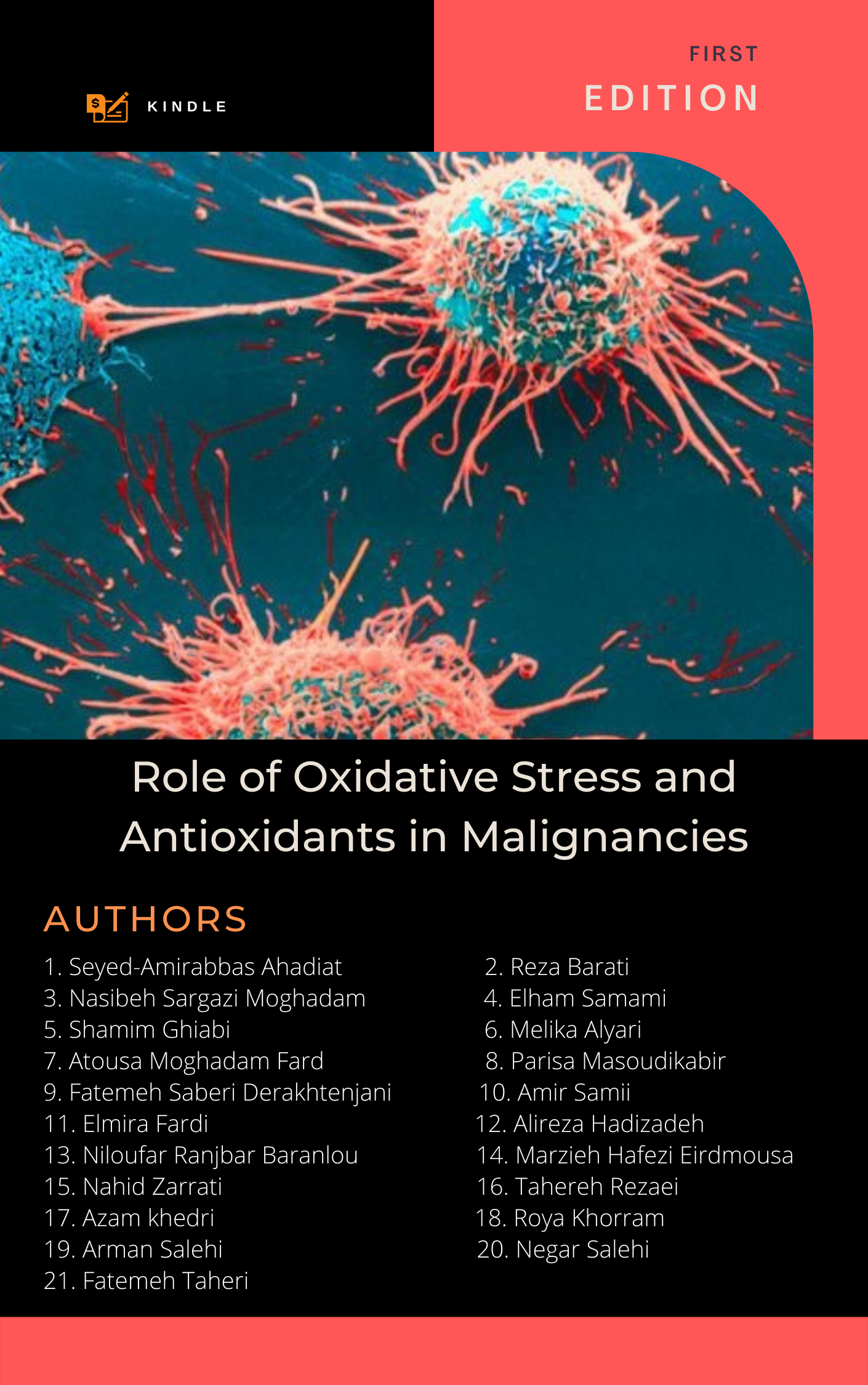
Academic Textbook: Role of Oxidative Stress and Antioxidants in Malignancies
Keywords:
Oxidative Stress, Antioxidants, MalignanciesAbstract
Cancer development is known by summative action of multiple events occurring in single cell. It can be characterized by three stages: Initiation, promotion, and progression. ROS is involved in all these phases. The effect of oxidative stress at a certain phase of carcinogenesis is directly proportionate to the type and the reactivity of radicals involved. Initiation results when a normal cell sustains a DNA mutation that, when preceded by a round of DNA production, leads to fixation of the mutation, producing an initiated cell. Initiation of malignancy by ROS is supported by presence of oxidative DNA modifications in cancer tissues. The promotion stage is known by clonal expansion of initiated cells, by stimulation of cell proliferation and/or inhibition of apoptosis. Oxidative stress is strongly involved in this phase. ROS can induce expansion of mutated cell clones by temporarily modulating the genes which are associated with proliferation or cell death and by regulating function of certain transcription factors which control cell growth and oncogenesis. A low level of oxidative stress can induce cell division in promotion stage, and therefore promotes tumor growth. This implies that ROS synthesis during this stage is the main mechanism of ROS‑related tumor promotion. ROS also has role in the last stage of carcinogenesis; progression. Antioxidants are substances or agents that scavenge reactive oxygen metabolites, block their production, or increase endogenous antioxidants capabilities. High intake of antioxidants was correlated with a reduced risk of head and neck squamous cell carcinoma among smokers, drinkers, and those with both smoking and drinking habits. Recent evaluations have shown that they are abundant in fruits and vegetables as well as in other foods such as nuts, grains, some meats, poultry, and fish.
References
1. Metere A, Giacomelli L. Absorption, metabolism and protective role of fruits and vegetables polyphenols against gastric cancer. Eur Rev Med Pharmacol Sci. 2017;21(24):5850-8.
2. Chen J, Zhang M, Ma Z, Yuan D, Zhu J, Tuo B, et al. Alteration and dysfunction of ion channels/transporters in a hypoxic microenvironment results in the development and progression of gastric cancer. Cell Oncol (Dordr). 2021;44(4):739-49.
3. Hardbower DM, Peek RM, Jr., Wilson KT. At the Bench: Helicobacter pylori, dysregulated host responses, DNA damage, and gastric cancer. J Leukoc Biol. 2014;96(2):201-12.
4. Chen QH, Wu BK, Pan D, Sang LX, Chang B. Beta-carotene and its protective effect on gastric cancer. World J Clin Cases. 2021;9(23):6591-607.
5. Hardbower DM, de Sablet T, Chaturvedi R, Wilson KT. Chronic inflammation and oxidative stress: the smoking gun for Helicobacter pylori-induced gastric cancer? Gut Microbes. 2013;4(6):475-81.
6. Huang T, Zhou F, Wang-Johanning F, Nan K, Wei Y. Depression accelerates the development of gastric cancer through reactive oxygen species‑activated ABL1 (Review). Oncol Rep. 2016;36(5):2435-43.
7. Kim H. DNA repair Ku proteins in gastric cancer cells and pancreatic acinar cells. Amino Acids. 2008;34(2):195-202.
8. Correa P. Does Helicobacter pylori cause gastric cancer via oxidative stress? Biol Chem. 2006;387(4):361-4.
9. Piscione M, Mazzone M, Di Marcantonio MC, Muraro R, Mincione G. Eradication of Helicobacter pylori and Gastric Cancer: A Controversial Relationship. Front Microbiol. 2021;12:630852.
10. Díaz P, Valenzuela Valderrama M, Bravo J, Quest AFG. Helicobacter pylori and Gastric Cancer: Adaptive Cellular Mechanisms Involved in Disease Progression. Front Microbiol. 2018;9:5.
11. Kim SS, Ruiz VE, Carroll JD, Moss SF. Helicobacter pylori in the pathogenesis of gastric cancer and gastric lymphoma. Cancer Lett. 2011;305(2):228-38.
12. Matysiak-Budnik T, Mégraud F. Helicobacter pylori infection and gastric cancer. Eur J Cancer. 2006;42(6):708-16.
13. Farinati F, Cardin R, Cassaro M, Bortolami M, Nitti D, Tieppo C, et al. Helicobacter pylori, inflammation, oxidative damage and gastric cancer: a morphological, biological and molecular pathway. Eur J Cancer Prev. 2008;17(3):195-200.
14. Fu L, Xie C. A lucid review of Helicobacter pylori-induced DNA damage in gastric cancer. Helicobacter. 2019;24(5):e12631.
15. Normark S, Nilsson C, Normark BH, Hornef MW. Persistent infection with Helicobacter pylori and the development of gastric cancer. Adv Cancer Res. 2003;90:63-89.
16. Ernst P. Review article: the role of inflammation in the pathogenesis of gastric cancer. Aliment Pharmacol Ther. 1999;13 Suppl 1:13-8.
17. Zhang W, Lu H, Graham DY. An Update on Helicobacter pylori as the Cause of Gastric Cancer. Gastrointest Tumors. 2014;1(3):155-65.
18. Song JH, Han YM, Kim WH, Park JM, Jeong M, Go EJ, et al. Oxidative stress from reflux esophagitis to esophageal cancer: the alleviation with antioxidants. Free Radic Res. 2016;50(10):1071-9.
19. Farhadi A, Fields J, Banan A, Keshavarzian A. Reactive oxygen species: are they involved in the pathogenesis of GERD, Barrett's esophagus, and the latter's progression toward esophageal cancer? Am J Gastroenterol. 2002;97(1):22-6.
20. Deligiorgi MV, Siasos G, Vakkas L, Trafalis DT. Charting the Unknown Association of COVID-19 with Thyroid Cancer, Focusing on Differentiated Thyroid Cancer: A Call for Caution. Cancers (Basel). 2021;13(22).
21. Heydarzadeh S, Kia SK, Zarkesh M, Pakizehkar S, Hosseinzadeh S, Hedayati M. The Cross-Talk between Polyphenols and the Target Enzymes Related to Oxidative Stress-Induced Thyroid Cancer. Oxid Med Cell Longev. 2022;2022:2724324.
22. Renaud CO, Ziros PG, Chartoumpekis DV, Bongiovanni M, Sykiotis GP. Keap1/Nrf2 Signaling: A New Player in Thyroid Pathophysiology and Thyroid Cancer. Front Endocrinol (Lausanne). 2019;10:510.
23. Kim WG, Cheng SY. Mechanisms Linking Obesity and Thyroid Cancer Development and Progression in Mouse Models. Horm Cancer. 2018;9(2):108-16.
24. García-Sáenz M, Lobaton-Ginsberg M, Ferreira-Hermosillo A. Metformin in Differentiated Thyroid Cancer: Molecular Pathways and Its Clinical Implications. Biomolecules. 2022;12(4).
25. Kumari S, Adewale R, Klubo-Gwiezdzinska J. The Molecular Landscape of Hürthle Cell Thyroid Cancer Is Associated with Altered Mitochondrial Function-A Comprehensive Review. Cells. 2020;9(7).
26. Masone S, Velotti N, Savastano S, Filice E, Serao R, Vitiello A, et al. Morbid Obesity and Thyroid Cancer Rate. A Review of Literature. J Clin Med. 2021;10(9).
27. Franchini F, Palatucci G, Colao A, Ungaro P, Macchia PE, Nettore IC. Obesity and Thyroid Cancer Risk: An Update. Int J Environ Res Public Health. 2022;19(3).
28. Cazarin J, Dupuy C, Pires de Carvalho D. Redox Homeostasis in Thyroid Cancer: Implications in Na(+)/I(-) Symporter (NIS) Regulation. International journal of molecular sciences. 2022;23(11).
29. Bronowicka-Szydełko A, Kotyra Ł, Lewandowski Ł, Gamian A, Kustrzeba-Wójcicka I. Role of Advanced Glycation End-Products and Other Ligands for AGE Receptors in Thyroid Cancer Progression. J Clin Med. 2021;10(18).
30. Kyriacou A, Tziaferi V, Toumba M. Stress, Thyroid Dysregulation and Thyroid Cancer in Children and Adolescents. Proposed Impending Mechanisms. Horm Res Paediatr. 2022.
31. Ashrafizadeh M, Bakhoda MR, Bahmanpour Z, Ilkhani K, Zarrabi A, Makvandi P, et al. Apigenin as Tumor Suppressor in Cancers: Biotherapeutic Activity, Nanodelivery, and Mechanisms With Emphasis on Pancreatic Cancer. Front Chem. 2020;8:829.
32. Buha A, Wallace D, Matovic V, Schweitzer A, Oluic B, Micic D, et al. Cadmium Exposure as a Putative Risk Factor for the Development of Pancreatic Cancer: Three Different Lines of Evidence. Biomed Res Int. 2017;2017:1981837.
33. Zakhari S. Chronic alcohol drinking: Liver and pancreatic cancer? Clin Res Hepatol Gastroenterol. 2015;39 Suppl 1:S86-91.
34. Pinho AV, Chantrill L, Rooman I. Chronic pancreatitis: a path to pancreatic cancer. Cancer Lett. 2014;345(2):203-9.
35. Bimonte S, Barbieri A, Leongito M, Piccirillo M, Giudice A, Pivonello C, et al. Curcumin AntiCancer Studies in Pancreatic Cancer. Nutrients. 2016;8(7).
36. Thyagarajan A, Forino AS, Konger RL, Sahu RP. Dietary Polyphenols in Cancer Chemoprevention: Implications in Pancreatic Cancer. Antioxidants (Basel). 2020;9(8).
37. Bałan BJ, Zygmanowska E, Radomska-Leśniewska DM. Disorders noticed during development of pancreatic cancer: potential opportunities for early and effective diagnostics and therapy. Cent Eur J Immunol. 2017;42(4):377-82.
38. Hamada S, Matsumoto R, Masamune A. HIF-1 and NRF2; Key Molecules for Malignant Phenotypes of Pancreatic Cancer. Cancers (Basel). 2022;14(2).
39. Li W, Ma Q, Liu J, Han L, Ma G, Liu H, et al. Hyperglycemia as a mechanism of pancreatic cancer metastasis. Front Biosci (Landmark Ed). 2012;17(5):1761-74.
40. Farrow B, Evers BM. Inflammation and the development of pancreatic cancer. Surg Oncol. 2002;10(4):153-69.
41. Gukovsky I, Li N, Todoric J, Gukovskaya A, Karin M. Inflammation, autophagy, and obesity: common features in the pathogenesis of pancreatitis and pancreatic cancer. Gastroenterology. 2013;144(6):1199-209.e4.
42. Ohara Y, Valenzuela P, Hussain SP. The interactive role of inflammatory mediators and metabolic reprogramming in pancreatic cancer. Trends Cancer. 2022;8(7):556-69.
43. Tamtaji OR, Mirhosseini N, Reiter RJ, Behnamfar M, Asemi Z. Melatonin and pancreatic cancer: Current knowledge and future perspectives. J Cell Physiol. 2019;234(5):5372-8.
44. Döppler H, Storz P. Mitochondrial and Oxidative Stress-Mediated Activation of Protein Kinase D1 and Its Importance in Pancreatic Cancer. Front Oncol. 2017;7:41.
45. Estaras M, Gonzalez A. Modulation of cell physiology under hypoxia in pancreatic cancer. World J Gastroenterol. 2021;27(28):4582-602.
46. Li D. Molecular epidemiology of pancreatic cancer. Cancer J. 2001;7(4):259-65.
47. Li D, Jiao L. Molecular epidemiology of pancreatic cancer. Int J Gastrointest Cancer. 2003;33(1):3-14.
48. Yakovenko A, Cameron M, Trevino JG. Molecular therapeutic strategies targeting pancreatic cancer induced cachexia. World J Gastrointest Surg. 2018;10(9):95-106.
49. Yu JH, Kim H. Oxidative stress and cytokines in the pathogenesis of pancreatic cancer. J Cancer Prev. 2014;19(2):97-102.
50. Martinez-Useros J, Li W, Cabeza-Morales M, Garcia-Foncillas J. Oxidative Stress: A New Target for Pancreatic Cancer Prognosis and Treatment. J Clin Med. 2017;6(3).
51. Poman DS, Motwani L, Asif N, Patel A, Vedantam D. Pancreatic Cancer and the Obesity Epidemic: A Narrative Review. Cureus. 2022;14(7):e26654.
52. Polvani S, Tarocchi M, Tempesti S, Bencini L, Galli A. Peroxisome proliferator activated receptors at the crossroad of obesity, diabetes, and pancreatic cancer. World J Gastroenterol. 2016;22(8):2441-59.
53. Asgharian P, Tazehkand AP, Soofiyani SR, Hosseini K, Martorell M, Tarhriz V, et al. Quercetin Impact in Pancreatic Cancer: An Overview on Its Therapeutic Effects. Oxid Med Cell Longev. 2021;2021:4393266.
54. Zhang L, Li J, Zong L, Chen X, Chen K, Jiang Z, et al. Reactive Oxygen Species and Targeted Therapy for Pancreatic Cancer. Oxid Med Cell Longev. 2016;2016:1616781.
55. Shahab U, Ahmad MK, Mahdi AA, Waseem M, Arif B, Moinuddin, et al. The receptor for advanced glycation end products: A fuel to pancreatic cancer. Semin Cancer Biol. 2018;49:37-43.
56. Li J, Chen X, Kang R, Zeh H, Klionsky DJ, Tang D. Regulation and function of autophagy in pancreatic cancer. Autophagy. 2021;17(11):3275-96.
57. Kolodecik T, Shugrue C, Ashat M, Thrower EC. Risk factors for pancreatic cancer: underlying mechanisms and potential targets. Front Physiol. 2013;4:415.
58. Cykowiak M, Krajka-Kuźniak V. Role of Nrf2 in Pancreatic Cancer. Antioxidants (Basel). 2021;11(1).
59. Guha S, Tanasanvimon S, Sinnett-Smith J, Rozengurt E. Role of protein kinase D signaling in pancreatic cancer. Biochem Pharmacol. 2010;80(12):1946-54.
60. Jeong KY, Park MH. The Significance of Targeting Poly (ADP-Ribose) Polymerase-1 in Pancreatic Cancer for Providing a New Therapeutic Paradigm. International journal of molecular sciences. 2021;22(7).
61. Abdel Hadi N, Reyes-Castellanos G, Carrier A. Targeting Redox Metabolism in Pancreatic Cancer. International journal of molecular sciences. 2021;22(4).
62. Alexander MS, Cullen JJ. Treating pancreatic cancer: more antioxidants more problems? Expert Rev Gastroenterol Hepatol. 2018;12(9):849-51.
63. Cieslak JA, Cullen JJ. Treatment of Pancreatic Cancer with Pharmacological Ascorbate. Curr Pharm Biotechnol. 2015;16(9):759-70.
64. Simbre VC, Duffy SA, Dadlani GH, Miller TL, Lipshultz SE. Cardiotoxicity of cancer chemotherapy: implications for children. Paediatr Drugs. 2005;7(3):187-202.
65. Bélanger V, Benmoussa A, Napartuk M, Warin A, Laverdière C, Marcoux S, et al. The Role of Oxidative Stress and Inflammation in Cardiometabolic Health of Children During Cancer Treatment and Potential Impact of Key Nutrients. Antioxid Redox Signal. 2021;35(4):293-318.
66. Mandrell BN, Withycombe JS. Symptom Biomarkers for Children Receiving Treatment for Cancer: State of the Science. J Pediatr Oncol Nurs. 2019;36(4):280-6.
67. Edamitsu T, Taguchi K, Okuyama R, Yamamoto M. AHR and NRF2 in Skin Homeostasis and Atopic Dermatitis. Antioxidants (Basel). 2022;11(2).
68. Conde T, Lopes D, Łuczaj W, Neves B, Pinto B, Maurício T, et al. Algal Lipids as Modulators of Skin Disease: A Critical Review. Metabolites. 2022;12(2).
69. Pangestuti R, Shin KH, Kim SK. Anti-Photoaging and Potential Skin Health Benefits of Seaweeds. Mar Drugs. 2021;19(3).
70. Merecz-Sadowska A, Sitarek P, Kucharska E, Kowalczyk T, Zajdel K, Cegliński T, et al. Antioxidant Properties of Plant-Derived Phenolic Compounds and Their Effect on Skin Fibroblast Cells. Antioxidants (Basel). 2021;10(5).
71. Loo HL, Goh BH, Lee LH, Chuah LH. Application of chitosan-based nanoparticles in skin wound healing. Asian J Pharm Sci. 2022;17(3):299-332.
72. Ren H, Zhao F, Zhang Q, Huang X, Wang Z. Autophagy and skin wound healing. Burns Trauma. 2022;10:tkac003.
73. Geng R, Kang SG, Huang K, Tong T. Boosting the Photoaged Skin: The Potential Role of Dietary Components. Nutrients. 2021;13(5).
74. Basharat S, Gilani SA, Iftikhar F, Murtaza MA, Basharat A, Sattar A, et al. Capsaicin: Plants of the Genus Capsicum and Positive Effect of Oriental Spice on Skin Health. Skin Pharmacol Physiol. 2020;33(6):331-41.
75. Bernerd F, Passeron T, Castiel I, Marionnet C. The Damaging Effects of Long UVA (UVA1) Rays: A Major Challenge to Preserve Skin Health and Integrity. International journal of molecular sciences. 2022;23(15).
76. Hossain MR, Ansary TM, Komine M, Ohtsuki M. Diversified Stimuli-Induced Inflammatory Pathways Cause Skin Pigmentation. International journal of molecular sciences. 2021;22(8).
77. Emanuelli M, Sartini D, Molinelli E, Campagna R, Pozzi V, Salvolini E, et al. The Double-Edged Sword of Oxidative Stress in Skin Damage and Melanoma: From Physiopathology to Therapeutical Approaches. Antioxidants (Basel). 2022;11(4).
78. Blaess M, Kaiser L, Sommerfeld O, Csuk R, Deigner HP. Drug triggered pruritus, rash, papules, and blisters - is AGEP a clash of an altered sphingolipid-metabolism and lysosomotropism of drugs accumulating in the skin? Lipids Health Dis. 2021;20(1):156.
79. Ryšavá A, Vostálová J, Rajnochová Svobodová A. Effect of ultraviolet radiation on the Nrf2 signaling pathway in skin cells. Int J Radiat Biol. 2021;97(10):1383-403.
80. Papaccio F, A DA, Caputo S, Bellei B. Focus on the Contribution of Oxidative Stress in Skin Aging. Antioxidants (Basel). 2022;11(6).
81. Rozas M, Hart de Ruijter A, Fabrega MJ, Zorgani A, Guell M, Paetzold B, et al. From Dysbiosis to Healthy Skin: Major Contributions of Cutibacterium acnes to Skin Homeostasis. Microorganisms. 2021;9(3).
82. Fitoussi R, Faure MO, Beauchef G, Achard S. Human skin responses to environmental pollutants: A review of current scientific models. Environ Pollut. 2022;306:119316.
83. Xiao Q, Xiong L, Tang J, Li L, Li L. Hydrogen Sulfide in Skin Diseases: A Novel Mediator and Therapeutic Target. Oxid Med Cell Longev. 2021;2021:6652086.
84. Abolhasani R, Araghi F, Tabary M, Aryannejad A, Mashinchi B, Robati RM. The impact of air pollution on skin and related disorders: A comprehensive review. Dermatol Ther. 2021;34(2):e14840.
85. Gromkowska-Kępka KJ, Puścion-Jakubik A, Markiewicz-Żukowska R, Socha K. The impact of ultraviolet radiation on skin photoaging - review of in vitro studies. J Cosmet Dermatol. 2021;20(11):3427-31.
86. Guarneri F, Custurone P, Papaianni V, Gangemi S. Involvement of RAGE and Oxidative Stress in Inflammatory and Infectious Skin Diseases. Antioxidants (Basel). 2021;10(1).
87. Bhamidipati T, Sinha M, Sen CK, Singh K. Laser Capture Microdissection in the Spatial Analysis of Epigenetic Modifications in Skin: A Comprehensive Review. Oxid Med Cell Longev. 2022;2022:4127238.
88. Haller HL, Rapp M, Popp D, Nischwitz SP, Kamolz LP. Made in Germany: A Quality Indicator Not Only in the Automobile Industry But Also When It Comes to Skin Replacement: How an Automobile Textile Research Institute Developed a New Skin Substitute. Medicina (Kaunas). 2021;57(2).
89. Boo YC. Mechanistic Basis and Clinical Evidence for the Applications of Nicotinamide (Niacinamide) to Control Skin Aging and Pigmentation. Antioxidants (Basel). 2021;10(8).
90. Lephart ED, Naftolin F. Menopause and the Skin: Old Favorites and New Innovations in Cosmeceuticals for Estrogen-Deficient Skin. Dermatol Ther (Heidelb). 2021;11(1):53-69.
91. Moon KM, Lee MK, Hwang T, Choi CW, Kim MS, Kim HR, et al. The multi-functional roles of forkhead box protein O in skin aging and diseases. Redox Biol. 2021;46:102101.
92. Diao P, He H, Tang J, Xiong L, Li L. Natural compounds protect the skin from airborne particulate matter by attenuating oxidative stress. Biomed Pharmacother. 2021;138:111534.
93. Gunter NV, Teh SS, Lim YM, Mah SH. Natural Xanthones and Skin Inflammatory Diseases: Multitargeting Mechanisms of Action and Potential Application. Front Pharmacol. 2020;11:594202.
94. Szelest M, Walczak K, Plech T. A New Insight into the Potential Role of Tryptophan-Derived AhR Ligands in Skin Physiological and Pathological Processes. International journal of molecular sciences. 2021;22(3).
95. Ni Q, Zhang P, Li Q, Han Z. Oxidative Stress and Gut Microbiome in Inflammatory Skin Diseases. Front Cell Dev Biol. 2022;10:849985.
96. Trüeb RM. Oxidative stress and its impact on skin, scalp and hair. Int J Cosmet Sci. 2021;43 Suppl 1:S9-s13.
97. Chen J, Liu Y, Zhao Z, Qiu J. Oxidative stress in the skin: Impact and related protection. Int J Cosmet Sci. 2021;43(5):495-509.
98. Calderón-Garcidueñas L, Stommel EW, Rajkumar RP, Mukherjee PS, Ayala A. Particulate Air Pollution and Risk of Neuropsychiatric Outcomes. What We Breathe, Swallow, and Put on Our Skin Matters. Int J Environ Res Public Health. 2021;18(21).
99. Gado F, Digiacomo M, Salsano JE, Macchia M, Manera C. Phenolic Compounds in Prevention and Treatment of Skin Cancers: A Review. Curr Med Chem. 2021;28(33):6730-52.
100. Maya-Cano DA, Arango-Varela S, Santa-Gonzalez GA. Phenolic compounds of blueberries (Vaccinium spp) as a protective strategy against skin cell damage induced by ROS: A review of antioxidant potential and antiproliferative capacity. Heliyon. 2021;7(2):e06297.
101. Michalak M. Plant-Derived Antioxidants: Significance in Skin Health and the Ageing Process. International journal of molecular sciences. 2022;23(2).
102. Choi MS, Chae YJ, Choi JW, Chang JE. Potential Therapeutic Approaches through Modulating the Autophagy Process for Skin Barrier Dysfunction. International journal of molecular sciences. 2021;22(15).
103. Bocheva G, Slominski RM, Janjetovic Z, Kim TK, Böhm M, Steinbrink K, et al. Protective Role of Melatonin and Its Metabolites in Skin Aging. International journal of molecular sciences. 2022;23(3).
104. Chadorshabi S, Hallaj-Nezhadi S, Ghasempour Z. Red onion skin active ingredients, extraction and biological properties for functional food applications. Food Chem. 2022;386:132737.
105. Furue M. Regulation of Skin Barrier Function via Competition between AHR Axis versus IL-13/IL-4‒JAK‒STAT6/STAT3 Axis: Pathogenic and Therapeutic Implications in Atopic Dermatitis. J Clin Med. 2020;9(11).
106. You L, Cho JY. The regulatory role of Korean ginseng in skin cells. J Ginseng Res. 2021;45(3):363-70.
107. Chen X, Yang C, Jiang G. Research progress on skin photoaging and oxidative stress. Postepy Dermatol Alergol. 2021;38(6):931-6.
108. Napolitano M, Fabbrocini G, Martora F, Picone V, Morelli P, Patruno C. Role of Aryl Hydrocarbon Receptor Activation in Inflammatory Chronic Skin Diseases. Cells. 2021;10(12).
109. Baswan SM, Klosner AE, Weir C, Salter-Venzon D, Gellenbeck KW, Leverett J, et al. Role of ingestible carotenoids in skin protection: A review of clinical evidence. Photodermatol Photoimmunol Photomed. 2021;37(6):490-504.
110. He H, Xiong L, Jian L, Li L, Wu Y, Qiao S. Role of mitochondria on UV-induced skin damage and molecular mechanisms of active chemical compounds targeting mitochondria. J Photochem Photobiol B. 2022;232:112464.
111. Chaiprasongsuk A, Panich U. Role of Phytochemicals in Skin Photoprotection via Regulation of Nrf2. Front Pharmacol. 2022;13:823881.
112. Pourzand C, Albieri-Borges A, Raczek NN. Shedding a New Light on Skin Aging, Iron- and Redox-Homeostasis and Emerging Natural Antioxidants. Antioxidants (Basel). 2022;11(3).
113. Gruber F, Marchetti-Deschmann M, Kremslehner C, Schosserer M. The Skin Epilipidome in Stress, Aging, and Inflammation. Front Endocrinol (Lausanne). 2020;11:607076.
114. Lee AY. Skin Pigmentation Abnormalities and Their Possible Relationship with Skin Aging. International journal of molecular sciences. 2021;22(7).
115. Lee H, Hong Y, Kim M. Structural and Functional Changes and Possible Molecular Mechanisms in Aged Skin. International journal of molecular sciences. 2021;22(22).
116. Masutin V, Kersch C, Schmitz-Spanke S. A systematic review: metabolomics-based identification of altered metabolites and pathways in the skin caused by internal and external factors. Exp Dermatol. 2022;31(5):700-14.
117. Wikramanayake TC, Chéret J, Sevilla A, Birch-Machin M, Paus R. Targeting mitochondria in dermatological therapy: beyond oxidative damage and skin aging. Expert Opin Ther Targets. 2022;26(3):233-59.
118. Wang Y, Cheng L, Zhao H, Li Z, Chen J, Cen Y, et al. The Therapeutic Role of ADSC-EVs in Skin Regeneration. Front Med (Lausanne). 2022;9:858824.
119. Georgescu SR, Mitran CI, Mitran MI, Matei C, Popa GL, Erel O, et al. Thiol-Disulfide Homeostasis in Skin Diseases. J Clin Med. 2022;11(6).
120. Ahmed IA, Mikail MA, Zamakshshari NH, Mustafa MR, Hashim NM, Othman R. Trends and challenges in phytotherapy and phytocosmetics for skin aging. Saudi J Biol Sci. 2022;29(8):103363.
121. Szulc-Musioł B, Sarecka-Hujar B. The Use of Micro- and Nanocarriers for Resveratrol Delivery into and across the Skin in Different Skin Diseases-A Literature Review. Pharmaceutics. 2021;13(4).
122. Berardesca E, Cameli N. Vitamin E supplementation in inflammatory skin diseases. Dermatol Ther. 2021;34(6):e15160.
123. Meinke MC, Busch L, Lohan SB. Wavelength, dose, skin type and skin model related radical formation in skin. Biophys Rev. 2021;13(6):1091-100.
124. Nakai K, Tsuruta D. What Are Reactive Oxygen Species, Free Radicals, and Oxidative Stress in Skin Diseases? International journal of molecular sciences. 2021;22(19).
125. Lin HY, Chu PY. Advances in Understanding Mitochondrial MicroRNAs (mitomiRs) on the Pathogenesis of Triple-Negative Breast Cancer (TNBC). Oxid Med Cell Longev. 2021;2021:5517777.
126. Helm JS, Rudel RA. Adverse outcome pathways for ionizing radiation and breast cancer involve direct and indirect DNA damage, oxidative stress, inflammation, genomic instability, and interaction with hormonal regulation of the breast. Arch Toxicol. 2020;94(5):1511-49.
127. Jin Z, Chenghao Y, Cheng P. Anticancer Effect of Tanshinones on Female Breast Cancer and Gynecological Cancer. Front Pharmacol. 2021;12:824531.
128. Griñan-Lison C, Blaya-Cánovas JL, López-Tejada A, Ávalos-Moreno M, Navarro-Ocón A, Cara FE, et al. Antioxidants for the Treatment of Breast Cancer: Are We There Yet? Antioxidants (Basel). 2021;10(2).
129. Milković L, Čipak Gašparović A. AQP3 and AQP5-Potential Regulators of Redox Status in Breast Cancer. Molecules. 2021;26(9).
130. Creamer BA, Sloan SNB, Dennis JF, Rogers R, Spencer S, McCuen A, et al. Associations between Pregnane X Receptor and Breast Cancer Growth and Progression. Cells. 2020;9(10).
131. Stucci LS, Internò V, Tucci M, Perrone M, Mannavola F, Palmirotta R, et al. The ATM Gene in Breast Cancer: Its Relevance in Clinical Practice. Genes (Basel). 2021;12(5).
132. Zimta AA, Schitcu V, Gurzau E, Stavaru C, Manda G, Szedlacsek S, et al. Biological and molecular modifications induced by cadmium and arsenic during breast and prostate cancer development. Environ Res. 2019;178:108700.
133. Leung E, Hazrati LN. Breast cancer type 1 and neurodegeneration: consequences of deficient DNA repair. Brain Commun. 2021;3(2):fcab117.
134. Anderson G. Breast cancer: Occluded role of mitochondria N-acetylserotonin/melatonin ratio in co-ordinating pathophysiology. Biochem Pharmacol. 2019;168:259-68.
135. Tarhonska K, Lesicka M, Janasik B, Roszak J, Reszka E, Braun M, et al. Cadmium and breast cancer - Current state and research gaps in the underlying mechanisms. Toxicol Lett. 2022;361:29-42.
136. Park HA, Brown SR, Kim Y. Cellular Mechanisms of Circulating Tumor Cells During Breast Cancer Metastasis. International journal of molecular sciences. 2020;21(14).
137. Onzi GR, D'Agustini N, Garcia SC, Guterres SS, Pohlmann PR, Rosa DD, et al. Chemobrain in Breast Cancer: Mechanisms, Clinical Manifestations, and Potential Interventions. Drug Saf. 2022;45(6):601-21.
138. Bevinakoppamath S, Saleh Ahmed AM, Ramachandra SC, Vishwanath P, Prashant A. Chemopreventive and Anticancer Property of Selenoproteins in Obese Breast Cancer. Front Pharmacol. 2021;12:618172.
139. Soglia F, Petracci M, Davoli R, Zappaterra M. A critical review of the mechanisms involved in the occurrence of growth-related abnormalities affecting broiler chicken breast muscles. Poult Sci. 2021;100(6):101180.
140. Nicoletto RE, Ofner CM, 3rd. Cytotoxic mechanisms of doxorubicin at clinically relevant concentrations in breast cancer cells. Cancer Chemother Pharmacol. 2022;89(3):285-311.
141. Nazmeen A, Chen G, Maiti S. Dependence between estrogen sulfotransferase (SULT1E1) and nuclear transcription factor Nrf-2 regulations via oxidative stress in breast cancer. Mol Biol Rep. 2020;47(6):4691-8.
142. Orlandella FM, De Stefano AE, Iervolino PLC, Buono P, Soricelli A, Salvatore G. Dissecting the molecular pathways involved in the effects of physical activity on breast cancers cells: A narrative review. Life Sci. 2021;265:118790.
143. Zhou S, Jin J, Wang J, Zhang Z, Huang S, Zheng Y, et al. Effects of Breast Cancer Genes 1 and 2 on Cardiovascular Diseases. Curr Probl Cardiol. 2021;46(3):100421.
144. Walsh HR, Cruickshank BM, Brown JM, Marcato P. The Flick of a Switch: Conferring Survival Advantage to Breast Cancer Stem Cells Through Metabolic Plasticity. Front Oncol. 2019;9:753.
145. Giani M, Montoyo-Pujol YG, Peiró G, Martínez-Espinosa RM. Halophilic Carotenoids and Breast Cancer: From Salt Marshes to Biomedicine. Mar Drugs. 2021;19(11).
146. Mazzuferi G, Bacchetti T, Islam MO, Ferretti G. High density lipoproteins and oxidative stress in breast cancer. Lipids Health Dis. 2021;20(1):143.
147. Zhang Y, Zhang H, Wang M, Schmid T, Xin Z, Kozhuharova L, et al. Hypoxia in Breast Cancer-Scientific Translation to Therapeutic and Diagnostic Clinical Applications. Front Oncol. 2021;11:652266.
148. Zhang ML, Wu HT, Chen WJ, Xu Y, Ye QQ, Shen JX, et al. Involvement of glutathione peroxidases in the occurrence and development of breast cancers. J Transl Med. 2020;18(1):247.
149. Tascioglu Aliyev A, Panieri E, Stepanić V, Gurer-Orhan H, Saso L. Involvement of NRF2 in Breast Cancer and Possible Therapeutical Role of Polyphenols and Melatonin. Molecules. 2021;26(7).
150. Islam S, Hoque N, Nasrin N, Hossain M, Rizwan F, Biswas K, et al. Iron Overload and Breast Cancer: Iron Chelation as a Potential Therapeutic Approach. Life (Basel). 2022;12(7).
151. Farhat D, Ghayad SE, Icard P, Le Romancer M, Hussein N, Lincet H. Lipoic acid-induced oxidative stress abrogates IGF-1R maturation by inhibiting the CREB/furin axis in breast cancer cell lines. Oncogene. 2020;39(17):3604-10.
152. Zhang F, Liu S. Mechanistic insights of adipocyte metabolism in regulating breast cancer progression. Pharmacol Res. 2020;155:104741.
153. Wang L, Zhang S, Wang X. The Metabolic Mechanisms of Breast Cancer Metastasis. Front Oncol. 2020;10:602416.
154. Cejuela M, Martin-Castillo B, Menendez JA, Pernas S. Metformin and Breast Cancer: Where Are We Now? International journal of molecular sciences. 2022;23(5).
155. Cosentino G, Plantamura I, Cataldo A, Iorio MV. MicroRNA and Oxidative Stress Interplay in the Context of Breast Cancer Pathogenesis. International journal of molecular sciences. 2019;20(20).
156. Chen K, Lu P, Beeraka NM, Sukocheva OA, Madhunapantula SV, Liu J, et al. Mitochondrial mutations and mitoepigenetics: Focus on regulation of oxidative stress-induced responses in breast cancers. Semin Cancer Biol. 2022;83:556-69.
157. Zimta AA, Tigu AB, Muntean M, Cenariu D, Slaby O, Berindan-Neagoe I. Molecular Links between Central Obesity and Breast Cancer. International journal of molecular sciences. 2019;20(21).
158. Wang W, He Q, Zhang H, Zhuang C, Wang Q, Li C, et al. A narrative review on the interaction between genes and the treatment of hypertension and breast cancer. Ann Transl Med. 2021;9(10):894.
159. Bhardwaj P, Brown KA. Obese Adipose Tissue as a Driver of Breast Cancer Growth and Development: Update and Emerging Evidence. Front Oncol. 2021;11:638918.
160. Corchado-Cobos R, García-Sancha N, Mendiburu-Eliçabe M, Gómez-Vecino A, Jiménez-Navas A, Pérez-Baena MJ, et al. Pathophysiological Integration of Metabolic Reprogramming in Breast Cancer. Cancers (Basel). 2022;14(2).
161. Fan P, Jordan VC. PERK, Beyond an Unfolded Protein Response Sensor in Estrogen-Induced Apoptosis in Endocrine-Resistant Breast Cancer. Mol Cancer Res. 2022;20(2):193-201.
162. Lorenzo PM, Crujeiras AB. Potential effects of nutrition-based weight loss therapies in reversing obesity-related breast cancer epigenetic marks. Food Funct. 2021;12(4):1402-14.
163. Giudice A, Aliberti SM, Barbieri A, Pentangelo P, Bisogno I, D'Arena G, et al. Potential Mechanisms by which Glucocorticoids Induce Breast Carcinogenesis through Nrf2 Inhibition. Front Biosci (Landmark Ed). 2022;27(7):223.
164. Kumar NB. The Promise of Nutrient-Derived Bioactive Compounds and Dietary Components to Ameliorate Symptoms of Chemotherapy-Related Cognitive Impairment in Breast Cancer Survivors. Curr Treat Options Oncol. 2021;22(8):67.
165. Mahdavi H. Radiation oncologists' perspectives on reducing radiation-induced heart disease in early breast cancer. Curr Probl Cancer. 2020;44(2):100509.
166. Malla R, Surepalli N, Farran B, Malhotra SV, Nagaraju GP. Reactive oxygen species (ROS): Critical roles in breast tumor microenvironment. Crit Rev Oncol Hematol. 2021;160:103285.
167. Wiggs A, Molina S, Sumner SJ, Rushing BR. A Review of Metabolic Targets of Anticancer Nutrients and Nutraceuticals in Pre-Clinical Models of Triple-Negative Breast Cancer. Nutrients. 2022;14(10).
168. Kumar H, Kumar RM, Bhattacharjee D, Somanna P, Jain V. Role of Nrf2 Signaling Cascade in Breast Cancer: Strategies and Treatment. Front Pharmacol. 2022;13:720076.
169. Bala A, Panditharadyula SS. Role of Nuclear Factor Erythroid 2-Related Factor 2 (NRF-2) Mediated Antioxidant Response on the Synergistic Antitumor Effect of L-Arginine and 5-Fluro Uracil (5FU) in Breast Adenocarcinoma. Curr Pharm Des. 2019;25(14):1643-52.
170. Czarnecka-Czapczyńska M, Aebisher D, Oleś P, Sosna B, Krupka-Olek M, Dynarowicz K, et al. The role of photodynamic therapy in breast cancer - A review of in vitro research. Biomed Pharmacother. 2021;144:112342.
171. Mallard J, Hucteau E, Hureau TJ, Pagano AF. Skeletal Muscle Deconditioning in Breast Cancer Patients Undergoing Chemotherapy: Current Knowledge and Insights From Other Cancers. Front Cell Dev Biol. 2021;9:719643.
172. Maniam S, Maniam S. Small Molecules Targeting Programmed Cell Death in Breast Cancer Cells. International journal of molecular sciences. 2021;22(18).
173. Jabbarzadeh Kaboli P, Afzalipour Khoshkbejari M, Mohammadi M, Abiri A, Mokhtarian R, Vazifemand R, et al. Targets and mechanisms of sulforaphane derivatives obtained from cruciferous plants with special focus on breast cancer - contradictory effects and future perspectives. Biomed Pharmacother. 2020;121:109635.
174. Kasiri N, Rahmati M, Ahmadi L, Eskandari N, Motedayyen H. Therapeutic potential of quercetin on human breast cancer in different dimensions. Inflammopharmacology. 2020;28(1):39-62.
175. Sukumar J, Gast K, Quiroga D, Lustberg M, Williams N. Triple-negative breast cancer: promising prognostic biomarkers currently in development. Expert Rev Anticancer Ther. 2021;21(2):135-48.
176. Bevinakoppamath S, Ramachandra SC, Yadav AK, Basavaraj V, Vishwanath P, Prashant A. Understanding the Emerging Link Between Circadian Rhythm, Nrf2 Pathway, and Breast Cancer to Overcome Drug Resistance. Front Pharmacol. 2021;12:719631.
177. Kim JA, Jang JH, Lee SY. An Updated Comprehensive Review on Vitamin A and Carotenoids in Breast Cancer: Mechanisms, Genetics, Assessment, Current Evidence, and Future Clinical Implications. Nutrients. 2021;13(9).
178. Saketkoo LA, Obi ON, Patterson KC, Russell AM. Ageing with Interstitial lung disease: preserving health and well being. Curr Opin Pulm Med. 2022;28(4):321-36.
179. Messina G, Tartaglia N, Ambrosi A, Porro C, Campanozzi A, Valenzano A, et al. The Beneficial Effects of Physical Activity in Lung Cancer Prevention and/or Treatment. Life (Basel). 2022;12(6).
180. Detopoulou P, Voulgaridou G, Papadopoulou S. Cancer, Phase Angle and Sarcopenia: The Role of Diet in Connection with Lung Cancer Prognosis. Lung. 2022;200(3):347-79.
181. Rahimi A, Alimohammadi M, Faramarzi F, Alizadeh-Navaei R, Rafiei A. The effects of apigenin administration on the inhibition of inflammatory responses and oxidative stress in the lung injury models: a systematic review and meta-analysis of preclinical evidence. Inflammopharmacology. 2022;30(4):1259-76.
182. Eckhardt CM, Wu H. Environmental Exposures and Lung Aging: Molecular Mechanisms and Implications for Improving Respiratory Health. Curr Environ Health Rep. 2021;8(4):281-93.
183. Perrotta F, D'Agnano V, Scialò F, Komici K, Allocca V, Nucera F, et al. Evolving concepts in COPD and lung cancer: a narrative review. Minerva Med. 2022;113(3):436-48.
184. Lyengar A, Schiazza A, Cantu E, 3rd. Ex-vivo lung perfusion therapies: do they add value to organ donation? Curr Opin Organ Transplant. 2022;27(3):204-10.
185. Saadat S, Beigoli S, Khazdair MR, Amin F, Boskabady MH. Experimental and Clinical Studies on the Effects of Natural Products on Noxious Agents-Induced Lung Disorders, a Review. Front Nutr. 2022;9:867914.
186. Yin X, Zhu G, Wang Q, Fu YD, Wang J, Xu B. Ferroptosis, a New Insight Into Acute Lung Injury. Front Pharmacol. 2021;12:709538.
187. Liu Y, Zhou S, Xiang D, Ju L, Shen D, Wang X, et al. Friend or Foe? The Roles of Antioxidants in Acute Lung Injury. Antioxidants (Basel). 2021;10(12).
188. Camiña N, Penning TM. Genetic and epigenetic regulation of the NRF2-KEAP1 pathway in human lung cancer. Br J Cancer. 2022;126(9):1244-52.
189. Lei X, Du L, Yu W, Wang Y, Ma N, Qu B. GSTP1 as a novel target in radiation induced lung injury. J Transl Med. 2021;19(1):297.
190. Ryter SW. Heme Oxygenase-1: An Anti-Inflammatory Effector in Cardiovascular, Lung, and Related Metabolic Disorders. Antioxidants (Basel). 2022;11(3).
191. Torrelles JB, Restrepo BI, Bai Y, Ross C, Schlesinger LS, Turner J. The Impact of Aging on the Lung Alveolar Environment, Predetermining Susceptibility to Respiratory Infections. Front Aging. 2022;3:818700.
192. Carraro S, Ferraro VA, Zanconato S. Impact of air pollution exposure on lung function and exhaled breath biomarkers in children and adolescents. J Breath Res. 2022;16(4).
193. Lakhdar R, Mumby S, Abubakar-Waziri H, Porter A, Adcock IM, Chung KF. Lung toxicity of particulates and gaseous pollutants using ex-vivo airway epithelial cell culture systems. Environ Pollut. 2022;305:119323.
194. Liu D, Wen L, Wang Z, Hai Y, Yang D, Zhang Y, et al. The Mechanism of Lung and Intestinal Injury in Acute Pancreatitis: A Review. Front Med (Lausanne). 2022;9:904078.
195. Lu Q, Huang S, Meng X, Zhang J, Yu S, Li J, et al. Mechanism of Phosgene-Induced Acute Lung Injury and Treatment Strategy. International journal of molecular sciences. 2021;22(20).
196. Keskinidou C, Vassiliou AG, Dimopoulou I, Kotanidou A, Orfanos SE. Mechanistic Understanding of Lung Inflammation: Recent Advances and Emerging Techniques. J Inflamm Res. 2022;15:3501-46.
197. Caldeira DAF, Weiss DJ, Rocco PRM, Silva PL, Cruz FF. Mitochondria in Focus: From Function to Therapeutic Strategies in Chronic Lung Diseases. Front Immunol. 2021;12:782074.
198. Sharma A, Ahmad S, Ahmad T, Ali S, Syed MA. Mitochondrial dynamics and mitophagy in lung disorders. Life Sci. 2021;284:119876.
199. Karim L, Kosmider B, Bahmed K. Mitochondrial ribosomal stress in lung diseases. Am J Physiol Lung Cell Mol Physiol. 2022;322(4):L507-l17.
200. Samarelli AV, Masciale V, Aramini B, Coló GP, Tonelli R, Marchioni A, et al. Molecular Mechanisms and Cellular Contribution from Lung Fibrosis to Lung Cancer Development. International journal of molecular sciences. 2021;22(22).
201. Choi Y, Rekers L, Dong Y, Holzfurtner L, Goetz MJ, Shahzad T, et al. Oxygen Toxicity to the Immature Lung-Part I: Pathomechanistic Understanding and Preclinical Perspectives. International journal of molecular sciences. 2021;22(20).
202. Obst S, Herz J, Alejandre Alcazar MA, Endesfelder S, Möbius MA, Rüdiger M, et al. Perinatal Hyperoxia and Developmental Consequences on the Lung-Brain Axis. Oxid Med Cell Longev. 2022;2022:5784146.
203. Khazdair MR, Boskabady MH. Possible Treatment Approaches of Sulfur Mustard-Induced Lung Disorders, Experimental and Clinical Evidence, an Updated Review. Front Med (Lausanne). 2022;9:791914.
204. Khazdair MR, Boskabady MH. Possible treatment with medicinal herbs and their ingredients of lung disorders induced by sulfur mustard exposures: a review. Environ Sci Pollut Res Int. 2021;28(39):54191-208.
205. Kermani M, Rahmatinia T, Oskoei V, Norzaee S, Shahsavani A, Farzadkia M, et al. Potential cytotoxicity of trace elements and polycyclic aromatic hydrocarbons bounded to particulate matter: a review on in vitro studies on human lung epithelial cells. Environ Sci Pollut Res Int. 2021;28(40):55888-904.
206. Porro C, La Torre ME, Tartaglia N, Benameur T, Santini M, Ambrosi A, et al. The Potential Role of Nutrition in Lung Cancer Establishment and Progression. Life (Basel). 2022;12(2).
207. Keulers L, Dehghani A, Knippels L, Garssen J, Papadopoulos N, Folkerts G, et al. Probiotics, prebiotics, and synbiotics to prevent or combat air pollution consequences: The gut-lung axis. Environ Pollut. 2022;302:119066.
208. Liu X, Zhang J, Xie W. The role of ferroptosis in acute lung injury. Mol Cell Biochem. 2022;477(5):1453-61.
209. Sánchez-Ortega M, Carrera AC, Garrido A. Role of NRF2 in Lung Cancer. Cells. 2021;10(8).
210. Berman R, Rose CS, Downey GP, Day BJ, Chu HW. Role of Particulate Matter from Afghanistan and Iraq in Deployment-Related Lung Disease. Chem Res Toxicol. 2021;34(12):2408-23.
211. Thomas JM, Sudhadevi T, Basa P, Ha AW, Natarajan V, Harijith A. The Role of Sphingolipid Signaling in Oxidative Lung Injury and Pathogenesis of Bronchopulmonary Dysplasia. International journal of molecular sciences. 2022;23(3).
212. Huang Q, Chen L, Bai Q, Tong T, Zhou Y, Li Z, et al. The roles of microRNAs played in lung diseases via regulating cell apoptosis. Mol Cell Biochem. 2021;476(12):4265-75.
213. Hsieh PC, Wu YK, Kuo CY, Lee YH, Yang MC, Lan CC. The roles of sodium-potassium-chloride cotransporter isoform-1 in acute lung injury. Tzu Chi Med J. 2022;34(2):119-24.
214. Zhou J, Zhou P, Zhang Y, Wang G, Fan Z. Signal Pathways and Markers Involved in Acute Lung Injury Induced by Acute Pancreatitis. Dis Markers. 2021;2021:9947047.
215. Jacobson JR. Sphingolipids as a Novel Therapeutic Target in Radiation-Induced Lung Injury. Cell Biochem Biophys. 2021;79(3):509-16.
216. Ferraguti G, Terracina S, Petrella C, Greco A, Minni A, Lucarelli M, et al. Alcohol and Head and Neck Cancer: Updates on the Role of Oxidative Stress, Genetic, Epigenetics, Oral Microbiota, Antioxidants, and Alkylating Agents. Antioxidants (Basel). 2022;11(1).
217. Scassellati C, Marizzoni M, Cattane N, Lopizzo N, Mombelli E, Riva MA, et al. The Complex Molecular Picture of Gut and Oral Microbiota-Brain-Depression System: What We Know and What We Need to Know. Front Psychiatry. 2021;12:722335.
218. Saso L, Reza A, Ng E, Nguyen K, Lin S, Zhang P, et al. A Comprehensive Analysis of the Role of Oxidative Stress in the Pathogenesis and Chemoprevention of Oral Submucous Fibrosis. Antioxidants (Basel). 2022;11(5).
219. Zięba S, Maciejczyk M, Zalewska A. Ethanol- and Cigarette Smoke-Related Alternations in Oral Redox Homeostasis. Front Physiol. 2021;12:793028.
220. Remadevi V, Muraleedharan P, Sreeja S. FOXO1: a pivotal pioneer factor in oral squamous cell carcinoma. Am J Cancer Res. 2021;11(10):4700-10.
221. Costacurta M, Basilicata M, Marrone G, Di Lauro M, Campolattano V, Bollero P, et al. The Impact of Chronic Kidney Disease on Nutritional Status and Its Possible Relation with Oral Diseases. Nutrients. 2022;14(10).
222. Kyrodimos E, Chrysovergis A, Mastronikolis N, Tsiambas E, Manaios L, Roukas D, et al. Impact of Ubiquitination Signaling Pathway Modifications on Oral Carcinoma. Cancer Diagn Progn. 2022;2(1):1-6.
223. Negrini TC, Carlos IZ, Duque C, Caiaffa KS, Arthur RA. Interplay Among the Oral Microbiome, Oral Cavity Conditions, the Host Immune Response, Diabetes Mellitus, and Its Associated-Risk Factors-An Overview. Front Oral Health. 2021;2:697428.
224. Patil S, Yadalam PK, Hosmani J, Khan ZA, Shankar VG, Shaukat L, et al. Modulation of oral cancer and periodontitis using chemotherapeutic agents - A narrative review. Dis Mon. 2022:101348.
225. Al-Qadami G, Van Sebille Y, Bowen J, Wardill H. Oral-Gut Microbiome Axis in the Pathogenesis of Cancer Treatment-Induced Oral Mucositis. Front Oral Health. 2022;3:881949.
226. Brand W, van Kesteren PCE, Swart E, Oomen AG. Overview of potential adverse health effects of oral exposure to nanocellulose. Nanotoxicology. 2022;16(2):217-46.
227. Nguyen H, Sangha S, Pan M, Shin DH, Park H, Mohammed AI, et al. Oxidative Stress and Chemoradiation-Induced Oral Mucositis: A Scoping Review of In Vitro, In Vivo and Clinical Studies. International journal of molecular sciences. 2022;23(9).
228. Bregaint S, Boyer E, Fong SB, Meuric V, Bonnaure-Mallet M, Jolivet-Gougeon A. Porphyromonas gingivalis outside the oral cavity. Odontology. 2022;110(1):1-19.
229. Ma Q, Zhang Q, Chen Y, Yu S, Huang J, Liu Y, et al. Post-translational Modifications in Oral Bacteria and Their Functional Impact. Front Microbiol. 2021;12:784923.
230. Almeida TC, da Silva GN, de Souza DV, de Moraes Malinverni AC, Aguiar O, Jr., Estadella D, et al. Resveratrol effects in oral cancer cells: a comprehensive review. Med Oncol. 2021;38(8):97.
231. Wu DD, Ngowi EE, Zhai YK, Wang YZ, Khan NH, Kombo AF, et al. Role of Hydrogen Sulfide in Oral Disease. Oxid Med Cell Longev. 2022;2022:1886277.
232. Di Domenico F, Foppoli C, Coccia R, Perluigi M. Antioxidants in cervical cancer: chemopreventive and chemotherapeutic effects of polyphenols. Biochim Biophys Acta. 2012;1822(5):737-47.
233. Jiang B, Xiao S, Khan MA, Xue M. Defective antioxidant systems in cervical cancer. Tumour Biol. 2013;34(4):2003-9.
234. Läsche M, Urban H, Gallwas J, Gründker C. HPV and Other Microbiota; Who's Good and Who's Bad: Effects of the Microbial Environment on the Development of Cervical Cancer-A Non-Systematic Review. Cells. 2021;10(3).
235. Wang X, Huang X, Zhang Y. Involvement of Human Papillomaviruses in Cervical Cancer. Front Microbiol. 2018;9:2896.
236. Chen YH, Wang PH, Chen PN, Yang SF, Hsiao YH. Molecular and Cellular Mechanisms of Metformin in Cervical Cancer. Cancers (Basel). 2021;13(11).
237. Preci DP, Almeida A, Weiler AL, Mukai Franciosi ML, Cardoso AM. Oxidative damage and antioxidants in cervical cancer. Int J Gynecol Cancer. 2021;31(2):265-71.
238. Silva GÁ F, Nunes RAL, Morale MG, Boccardo E, Aguayo F, Termini L. Oxidative stress: therapeutic approaches for cervical cancer treatment. Clinics (Sao Paulo). 2018;73(suppl 1):e548s.
239. Shoaib S, Islam N, Yusuf N. Phytocompounds from the Medicinal and Dietary Plants: Multi-target Agents for Cervical Cancer Prevention and Therapy. Curr Med Chem. 2022;29(26):4481-506.
240. Abu J, Batuwangala M, Herbert K, Symonds P. Retinoic acid and retinoid receptors: potential chemopreventive and therapeutic role in cervical cancer. Lancet Oncol. 2005;6(9):712-20.
241. Mitra A, MacIntyre DA, Marchesi JR, Lee YS, Bennett PR, Kyrgiou M. The vaginal microbiota, human papillomavirus infection and cervical intraepithelial neoplasia: what do we know and where are we going next? Microbiome. 2016;4(1):58.
242. Verit FF, Yucel O. Endometriosis, leiomyoma and adenomyosis: the risk of gynecologic malignancy. Asian Pac J Cancer Prev. 2013;14(10):5589-97.
243. Li YY, Lin YK, Liu XH, Wang L, Yu M, Li DJ, et al. Leonurine: From Gynecologic Medicine to Pleiotropic Agent. Chin J Integr Med. 2020;26(2):152-60.
244. Yamada Y, Shigetomi H, Onogi A, Haruta S, Kawaguchi R, Yoshida S, et al. New insights into pattern recognition receptors and their ligands in gynecologic pathologies. Hum Immunol. 2011;72(3):213-8.
245. Wen JF, Jiang YQ, Li C, Dai XK, Wu T, Yin WZ. LncRNA-XIST promotes the oxidative stress-induced migration, invasion, and epithelial-to-mesenchymal transition of osteosarcoma cancer cells through miR-153-SNAI1 axis. Cell Biol Int. 2020;44(10):1991-2001.
246. Gümbel D, Bekeschus S, Gelbrich N, Napp M, Ekkernkamp A, Kramer A, et al. Cold Atmospheric Plasma in the Treatment of Osteosarcoma. International journal of molecular sciences. 2017;18(9).
247. Mateu-Sanz M, Tornín J, Ginebra MP, Canal C. Cold Atmospheric Plasma: A New Strategy Based Primarily on Oxidative Stress for Osteosarcoma Therapy. J Clin Med. 2021;10(4).
248. Xiao H, Jensen PE, Chen X. Elimination of Osteosarcoma by Necroptosis with Graphene Oxide-Associated Anti-HER2 Antibodies. International journal of molecular sciences. 2019;20(18).
249. Pang KL, Chin KY. Emerging Anticancer Potentials of Selenium on Osteosarcoma. International journal of molecular sciences. 2019;20(21).
250. Yu W, Zhu J, Wang Y, Wang J, Fang W, Xia K, et al. A review and outlook in the treatment of osteosarcoma and other deep tumors with photodynamic therapy: from basic to deep. Oncotarget. 2017;8(24):39833-48.
251. Belayneh R, Weiss K. The Role of ALDH in the Metastatic Potential of Osteosarcoma Cells and Potential ALDH Targets. Adv Exp Med Biol. 2020;1258:157-66.
252. Asnafi AA, Behzad MM, Ghanavat M, Shahjahani M, Saki N. Singe nucleotide polymorphisms in osteosarcoma: Pathogenic effect and prognostic significance. Exp Mol Pathol. 2019;106:63-77.
253. McManus MM, Weiss KR, Hughes DP. Understanding the role of Notch in osteosarcoma. Adv Exp Med Biol. 2014;804:67-92.
Downloads
Published
Issue
Section
Categories
License
Copyright (c) 2022 PreferPub and Kindle

This work is licensed under a Creative Commons Attribution-NonCommercial 4.0 International License.
Since making research freely available supports a greater global exchange of knowledge, PreferPub provides immediate open access to its published books under the terms of the Creative Commons Attribution-NonCommercial 4.0 License (CC BY-NC 4.0). This license allows others to share, copy, and redistribute the material in any medium or format, as well as adapt, remix, transform, and build upon the material, as long as the use is non-commercial and appropriate credit is given to the original work.