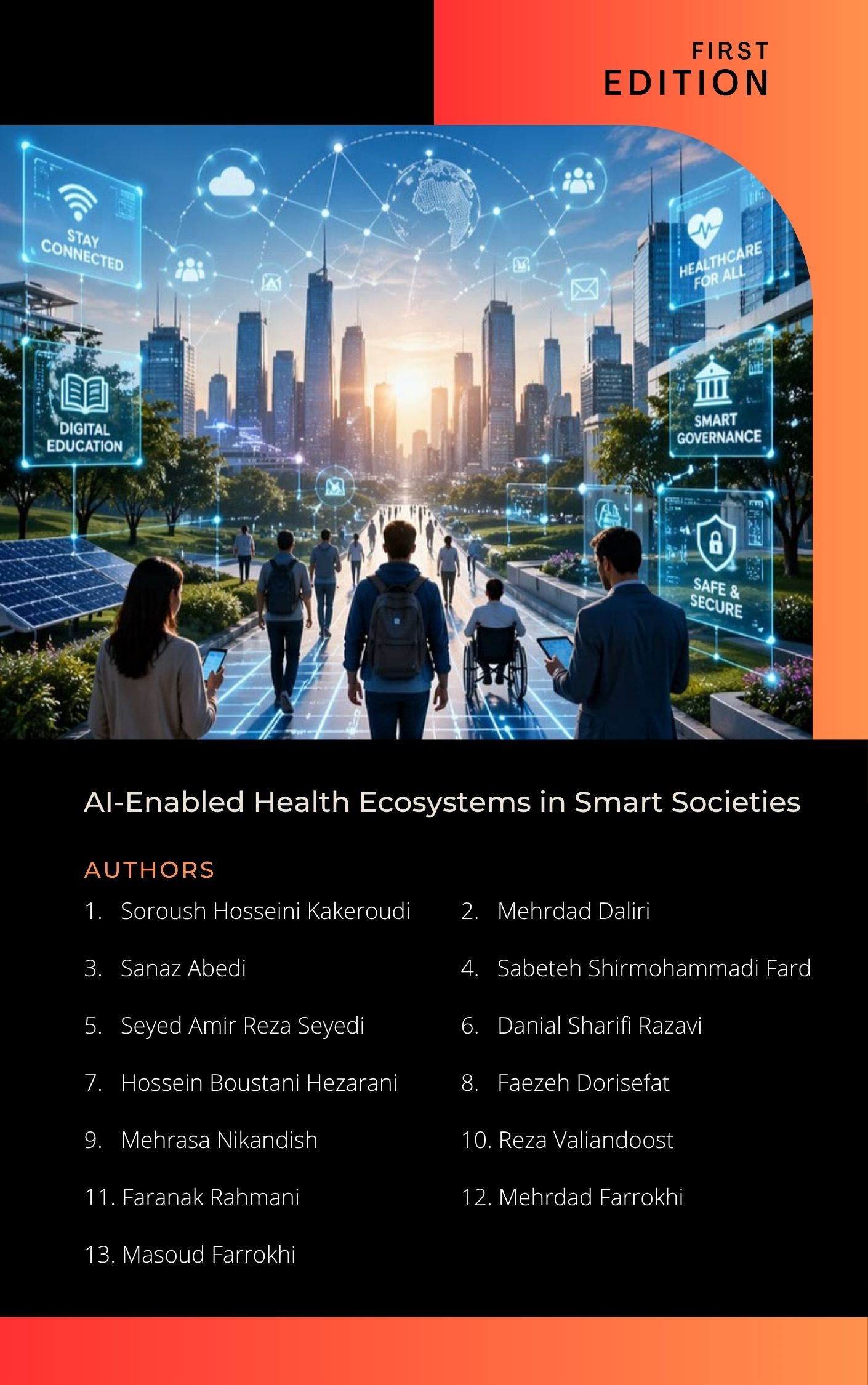
AI-Enabled Health Ecosystems in Smart Societies
Keywords:
Artificial Intelligence, AI-Enabled Healthcare, Digital HealthAbstract
Artificial Intelligence (AI) is transforming healthcare by creating intelligent, connected, and patient-centered health ecosystems. In smart societies, healthcare is no longer limited to hospitals and clinics; instead, it involves interconnected digital platforms, wearable devices, health applications, medical professionals, and public health systems. AI enables these components to work together, improving the quality, accessibility, and efficiency of healthcare services. One of the most important contributions of AI is the ability to analyze large amounts of health data quickly and accurately. Electronic health records, medical images, genetic information, and data from wearable devices can be analyzed to identify patterns and predict potential health risks. AI-powered diagnostic tools can support healthcare professionals in detecting diseases such as cancer, cardiovascular conditions, and diabetes at earlier stages. Early detection can improve treatment outcomes and reduce healthcare costs. AI also supports personalized healthcare. By analyzing an individual's medical history, lifestyle, genetics, and real-time health information, intelligent systems can recommend treatments and preventive measures suited to that person's needs. Wearable technologies can continuously monitor heart rate, blood pressure, sleep, and physical activity, allowing AI systems to identify unusual changes and provide timely alerts. Smart societies can also benefit from AI-driven public health management. Governments and healthcare organizations can use AI to monitor disease outbreaks, predict healthcare demand, manage hospital resources, and develop targeted prevention strategies. During emergencies such as pandemics or natural disasters, AI can help decision-makers respond more rapidly and efficiently. However, AI-enabled health ecosystems also present significant challenges. Protecting sensitive health data, ensuring cybersecurity, preventing algorithmic bias, and maintaining transparency are essential. Healthcare professionals must remain involved in important decisions, while AI systems should complement rather than replace human judgment. Digital inequality must also be addressed so that technological advances benefit disadvantaged communities. In conclusion, AI-enabled health ecosystems have the potential to make smart societies healthier, more proactive, and more resilient. By combining intelligent technologies with human expertise, secure data systems, and inclusive policies, societies can move from reactive healthcare toward prevention, personalization, and continuous well-being. The successful development of these ecosystems will depend not only on technological innovation but also on trust, ethics, accessibility, and responsible governance.
References
1. Ahsan Z, Haouala F, Rejili M. From Hive Sensors to Environmental DNA: Toward a Systems Biology Framework for Honeybee-Based Early Warning of Colony and Ecosystem Health. Insects. 2026;17(7).
2. Chong NK, Chu Shan Elaine C, de Korne DF. Creating a Learning Televillage and Automated Digital Child Health Ecosystem. Pediatr Clin North Am. 2020;67(4):707–24.
3. Dullabh P, Dhopeshwarkar R, Cope E, Gauthreaux N, Zott C, Peterson C, et al. Advancing patient-centered clinical decision support in today's health care ecosystem: key themes from the Clinical Decision Support Innovation Collaborative's 2023 Annual Meeting. JAMIA Open. 2024;7(4):ooae109.
4. Kumar D, Ingole A, Choudhari SG. Towards Ideal Health Ecosystem With Artificial Intelligence-Driven Medical Services in India: An Overview. Cureus. 2023;15(11):e48482.
5. Ma A, Chen J, Yang Z. From Tool to Agent: A Semi-Systematic Review of Human-AI Alignment and a Proposed Tiered Healing Ecosystem for Mental Health. Healthcare (Basel). 2026;14(6).
6. Mikaeili N, Naeim M, Narimani M. Reimagining Mental Health with Artificial Intelligence: Early Detection, Personalized Care, and a Preventive Ecosystem. J Multidiscip Healthc. 2025;18:7355–73.
7. Wu S, Wang Y, Qin H, Zhang Z, Liu S, Ruan Y, et al. Environmental DNA (eDNA) Technology in Biodiversity and Ecosystem Health Research: Advances and Prospects. Ecol Evol. 2026;16(1):e72891.
8. Anti NYD, Frimpong S, Raza MA. Vehicle Autonomy to Ecosystem Intelligence: A Systematic Review of Dynamic Vision Architectures in Surface Mining Operations. Sensors (Basel). 2026;26(13).
9. Barrance E, Kazim E, Hilliard A, Trengove M, Zannone S, Koshiyama A. Overview and commentary of the CDEI's extended roadmap to an effective AI assurance ecosystem. Front Artif Intell. 2022;5:932358.
10. Bentley PJ, Lim SL. From evolutionary ecosystem simulations to computational models of human behavior. Wiley Interdiscip Rev Cogn Sci. 2022;13(6):e1622.
11. Bridio S, Deceuninck P, Whelan M, Worth A. The computational model lifecycle: Opportunities and challenges for computational medicine in the healthcare ecosystem. Sci Prog. 2025;108(3):368504251344145.
12. Cavanaugh KC, Bell TW, Aerni KE, Byrnes JEK, McCammon S, Smith MM. New Technologies for Monitoring Coastal Ecosystem Dynamics. Ann Rev Mar Sci. 2025;17(1):409–33.
13. Chen Y, Fan Y, Huang Y, Liao X, Xu W, Zhang T. A comprehensive review of toxicity of coal fly ash and its leachate in the ecosystem. Ecotoxicol Environ Saf. 2024;269:115905.
14. Cleofas JV. Towards a framework for human rights-based stakeholdership of nursing academia in the healthcare artificial intelligence governance ecosystem: A discussion paper. Nurse Educ Pract. 2026;92:104737.
15. Conlin LK, Landrum MJ, Freimuth RR, Funke B. Standardization of Genomic Nomenclature across a Diverse Ecosystem of Stakeholders: Evolution and Challenges. Clin Chem. 2025;71(1):45–53.
16. Cui S, Wang G, Sun X, Wang Z, Zhou G, Jiang H. Unraveling the multidimensional pleural ecosystem of lung cancer-associated malignant pleural effusion. Cancer Cell Int. 2026;26(1).
17. Currie GM, Rohren EM. The Nuclear Nephrology Artificial Intelligence Ecosystem. Semin Nucl Med. 2026;56(2):313–28.
18. Deng QP, Liu GY, Yang Q, Chang WC, Chen Y. From two to three dimensions: Advanced techniques for evaluating ecosystem services in urban green spaces. Ying Yong Sheng Tai Xue Bao. 2025;36(8):2541–51.
19. Foster WA, Snaddon JL, Turner EC, Fayle TM, Cockerill TD, Ellwood MD, et al. Establishing the evidence base for maintaining biodiversity and ecosystem function in the oil palm landscapes of South East Asia. Philos Trans R Soc Lond B Biol Sci. 2011;366(1582):3277–91.
20. Foudah AI, Alqarni MH, Ahmad A, Alam A. The architecture of computational antiviralism: a multi-scale framework from molecular targeting to viral ecosystem engineering. Mol Divers. 2026.
21. Guan K, Qin R, Ma Z, Zhao L, Liu L, Wang S, et al. Multi-Model Ensembles in Ecosystem Modeling: Challenges and Best Practices for Decision-Making. Glob Chang Biol. 2026;32(8):e70987.
22. Hammad TA, Rochon J, Gofman K, Trifirò G, Bate A. Predictive Safety in the Era of Artificial Intelligence: Promises, Limits, and the Case for an Enterprise Lifecycle Evidence Ecosystem. Drug Saf. 2026.
23. He B, Wang K, Jiang Z, Zhang Y, Avdeev M, Shi S. Towards a sustainable high-quality materials data ecosystem: frameworks and strategies. Natl Sci Rev. 2026;13(7):nwag108.
24. Hostens M, Franceschini S, van Leerdam M, Yang H, Pokharel S, Liu E, et al. The future of big data and artificial intelligence on dairy farms: A proposed dairy data ecosystem. JDS Commun. 2025;6(Suppl 1):S9–s14.
25. Hufnagl P. [EMPAIA-ecosystem for pathology diagnostics with AI assistance]. Pathologe. 2021;42(Suppl 2):135–41.
26. Husain HJ, Wang X, Pirasteh S, Mafi-Gholami D, Chouhan B, Khan ML, et al. Review and assessment of the potential restoration of ecosystem services through the implementation of the biodiversity management plans for SDG-15 localization. Heliyon. 2024;10(8):e29877.
27. Koulouras G, Katsoulis S, Zantalis F. Evolution of Bluetooth Technology: BLE in the IoT Ecosystem. Sensors (Basel). 2025;25(4).
28. Laetitia Huët MA, Bhaw-Luximon A. Beyond the parasite: reframing cutaneous leishmaniasis as a host-microbiome-vector ecosystem. Int J Pharm. 2026;702:127250.
29. Li Y, Gunasekeran DV, RaviChandran N, Tan TF, Ong JCL, Thirunavukarasu AJ, et al. The next generation of healthcare ecosystem in the metaverse. Biomed J. 2024;47(3):100679.
30. Lu W, Feng G, Tan M, Weng P, Zhu W. Artificial Intelligence-Empowered "Walking Hospitals": A Narrative Review of Innovative Models and Ecosystem Construction in Rural Healthcare. Int J Gen Med. 2026;19:621520.
31. Manning L, MacLeod A, James C, Thompson M, Oyeyinka S, Cowen N, et al. Food fraud prevention strategies: Building an effective verification ecosystem. Compr Rev Food Sci Food Saf. 2024;23(6):e70036.
32. Mayo KR, Basford MA, Carroll RJ, Dillon M, Fullen H, Leung J, et al. The All of Us Data and Research Center: Creating a Secure, Scalable, and Sustainable Ecosystem for Biomedical Research. Annu Rev Biomed Data Sci. 2023;6:443–64.
33. Mkechera R, Dahiya S. Advancements in the detection of invasive water hyacinth (Eichhornia crassipes): a critical review of monitoring techniques for aquatic ecosystem management. Environ Monit Assess. 2026;198(2):179.
34. Ogwu MC, Ulimboka R, Aliu OO. Decoding plant volatile stress signals across scales: from molecular responses to ecosystem dynamics. Front Plant Sci. 2026;17:1815183.
35. Ormond MJ, Garling EH, Woo JJ, Modi IT, Kunze KN, Ramkumar PN. Artificial Intelligence in Commercial Industry: Serving the End-to-End Patient Experience Across the Digital Ecosystem. Arthroscopy. 2025;41(5):1683–90.
36. Sankar BS, Gilliland D, Rincon J, Hermjakob H, Yan Y, Adam I, et al. Building an Ethical and Trustworthy Biomedical AI Ecosystem for the Translational and Clinical Integration of Foundation Models. Bioengineering (Basel). 2024;11(10).
37. Sharma A, Hazarika M, Heisnam P, Pandey H, Devadas V, Kesavan AK, et al. Controlled Environment Ecosystem: A Cutting-Edge Technology in Speed Breeding. ACS Omega. 2024;9(27):29114–38.
38. Singh P, Beliatis M, Emilie Mathilde J, Presser M. Taylor & Francis Collection of European Union Research and Innovation Funded Monographs and Chapters
Digital Business IoT Maturity Patterns from EU-IoT Ecosystem. In: Sofia RC, Soldatos J, editors. Shaping the Future of IoT with Edge Intelligence: How Edge Computing Enables the Next Generation of IoT Applications. Abingdon (UK): River Publishers
© Rute C. Sofia, John Soldatos, 2024. This book is published open access.; 2024. p. 377–407.
39. Singh R, Paxton M, Auclair J. Regulating the AI-enabled ecosystem for human therapeutics. Commun Med (Lond). 2025;5(1):181.
40. Tang Y, Zhu Y, Liu S, Han X, Zhang H, Zhao W. Cyclin-dependent kinase 4 and 6 inhibitors and the breast cancer immune ecosystem: immune remodeling, resistance, and therapeutic reprogramming. Front Immunol. 2026;17:1923129.
41. Wang X, Li M, Du Y, Yang H, Ran J, Zhang H. Building a new ecosystem for digital-intelligent teaching of veterinary infectious diseases in southwest Chinese universities: theoretical framework and practical pathways. Front Vet Sci. 2026;13:1746110.
42. Yang ZJ, Shao Q, Jiang Y, Jurich C, Ran X, Juarez RJ, et al. Mutexa: A Computational Ecosystem for Intelligent Protein Engineering. J Chem Theory Comput. 2023;19(21):7459–77.
43. Yılmaz Nayır T, Fang Y, Contreras C, Schulz AK, Hartmann F. Ecosystem-Centered Robot Design: Toward Ecoresorbable Sustainability Robots (ESRs). Adv Sci (Weinh). 2026;13(15):e09194.
44. Zhang D, Jia X, Wang Y, Liu H, Wang Q, Jang SH, et al. Digital materials ecosystem: from databases to AI agents for autonomous discovery. Chem Sci. 2026;17(12):5782–804.
45. Zhang H, Li H, Huo S, Yang Z, Wu F. Navigating tipping points: A complex systems framework for anticipating lake ecosystem collapse. Fundam Res. 2026;6(2):592–603.
46. Zhang M, Lu Y, Yuan X. The tumor microenvironment: a dynamic ecosystem and therapeutic nexus in modern oncology. Front Pharmacol. 2026;17:1836055.
47. Zhang W, Stelinski LL, Mohamed A, Wang G, Tettamanti G, Chen M, et al. Unlocking agro-ecosystem sustainability: exploring the bottom-up effects of microbes, plants, and insect herbivores. Integr Zool. 2025;20(3):465–84.
48. Adhikari TN, Sayers W, Zhang S. Adaptive Digital Marketing: A Systematic Review of Bio-Inspired Reinforcement Learning, Multi-Agent Systems, and Agentic AI for Intelligent Optimisation. Biomimetics (Basel). 2026;11(7).
49. Angthong C, Tanadchangsaeng N, Maeyama A. Paradigm Shifts in Regenerative Medicine for Bone and Joint Surgery: From Mechanical Repair to Intelligent Biological Restoration. Ortop Traumatol Rehabil. 2025;27(5):189–98.
50. Bakar Saddique MA, Xi Y, Ijaz M, Akram S, Wang S, Zhang Z, et al. Nanopesticides in sustainable agriculture: multi-pathogen control, environmental impact, and intelligent delivery systems. Bioresour Technol. 2026;457:134968.
51. Barak R, Wolf I. The evolving physician-AI relationship: a five-tier framework for integrating intelligent systems into clinical practice and medical education. ESMO Real World Data Digit Oncol. 2026;12:100719.
52. Barzani HAH, Omer RA, Salih Barzani KI, Omar Othman H, Noaman AS, Issa KD, et al. Boron-Doped Diamond Electrodes for Voltammetric Determination of Major Antibiotic Classes: Electrochemical Mechanisms, Intelligent Analytical Systems, and Critical Perspectives. Crit Rev Anal Chem. 2026:1–31.
53. Batool R, Sonil NI, Nazar MF, Ullah Z. Intelligent chemical sensors: learning-enabled platforms for adaptive chemical detection. RSC Adv. 2026;16(37):39270–95.
54. Cairang Z, Shi C, Ou H, Wu Y, Fang D, Li W. Structure-function relationship and intelligent regulation of polysaccharide and protein-based hydrogels in food fresh-keeping packaging: A review. Int J Biol Macromol. 2026;373:153254.
55. Carbonell P, Armstrong R, Barriuso J, Ieropoulos I. Living buildings with living electronics: towards biologically intelligent biohybrids. Trends Biotechnol. 2026.
56. Chang X, Jiang X, Wang K, Xu HL, Chen D, Kong M, et al. Biocontrol strategies for fungal diseases of Ganoderma lucidum: from antagonistic microbes and synthetic communities to intelligent technologies. Front Microbiol. 2026;17:1813967.
57. Chen X, Peng B, Jin L. Application Status and Intelligent Development Prospects of Case-Based Learning in Standardized Training for Obstetric Residents: A Narrative Review. Adv Med Educ Pract. 2026;17:615023.
58. Chen X, Zhou K, Li X, Wu T, Ren H, Gao B. AI-Derived Smart Microneedle Systems for Advanced Wound Management: From Intelligent Sensing to Closed-Loop Therapy. Macromol Biosci. 2026;26(6):e70204.
59. Chen Y, Mao Z, Lian H, Li Q, Wang C, Li Y. Intelligent sulfur-based delivery systems for controlled hydrogen sulfide therapeutics: Progress and prospects. J Control Release. 2026;394:114875.
60. Chen Y, Qin X, Chen S. From graph models to intelligent decision-making: a review of spatio-temporal graph neural networks for regional disease risk prediction and etiology mining. Front Public Health. 2026;14:1830634.
61. Chen Y, Yu Q, Xu H, Zhang L, Li W, Wu Y. Innovative Advances in Non-Invasive Detection Technologies for Heart Failure: Synergistic Application of Multimodal Sensing and Intelligent Algorithms. Rev Cardiovasc Med. 2026;27(6):48196.
62. Cheng F, Xu T, Mao J, Li Z, Wang Y. Advancements in smart healthcare in emergency trauma care: from intelligent triage to prognostic prediction. Front Public Health. 2026;14:1834849.
63. Cui L. The neuro-psychological dimensions of piano interaction: from mental health therapy to intelligent systems. Front Psychol. 2026;17:1725791.
64. Cui Y, Yang T, Luo H, Zheng Y. Triboelectric Nanogenerators Promote Self-Powered Sensing and Intelligent Monitoring. Sensors (Basel). 2026;26(10).
65. Daoud E, Imad Najm B, Salim Waleed O, Shukla MB, M MR, Sasikumar Y, et al. Heteroatom-doped MXene quantum dots for selective transition metal ion sensing: from atomic-level design to intelligent and deployable platforms. RSC Adv. 2026;16(33):30369–94.
66. Devos RJB, Alves LRP, Morais RA, Sousa HMS, Gomes CDC, Sa Peixoto PEPJ, et al. Carotenoids From Amazonian Fruits as Functional Pigments in Active and Intelligent Food Packaging: Materials, Stability, and Technological Performance. J Food Sci. 2026;91(8):e71335.
67. Dewanjee U, Bai S, Ryabchikov YV, Fieser D, Pradakshina S, Wu JJ, et al. Next-Generation SERS Probes: Engineering Hotspots, Intelligent Molecular Targeting, and AI-Driven Spectral Analysis for Emerging Applications. Nanomaterials (Basel). 2026;16(10).
68. Di Grande S, de Souza Oliveira T, Pagano D, Cavalieri S. AI for Intelligent Transportation Systems: A Systematic Review of Applications in Demand-Responsive Transport. Sensors (Basel). 2026;26(15).
69. Du S, Jia D, Liang G, Dou Y. Plant-derived nanovesicles: the intelligent nanoplatforms for therapeutics and drug delivery. J Nanobiotechnology. 2026;24(1).
70. Duan S, Wang X, Que W, Liu C, Liu Z, Wang H, et al. Structured Multimaterial Fibers Enabling Intelligent Robots. Adv Mater. 2026;38(26):e72737.
71. El-Tahlawy AS, Abbas M, Alahmad W, Kraiya C. Toward Intelligent Meat Safety Systems: Molecularly Imprinted Polymers and Digital Integration. Crit Rev Anal Chem. 2026:1–22.
72. Emami A, Oskouie IM. Smart and stimuli-responsive hydrogels for controlled exosome delivery in bone tissue engineering: from passive carriers to intelligent therapeutic platforms. Cell Tissue Bank. 2026;27(3).
73. Fan X, Zou J, Liu Y, Li D, Zhou D, Chi H, et al. Transformative artificial intelligence integration in aquatic supply chains: synergizing precision aquaculture with intelligent logistics and data-driven consumption. Food Chem X. 2026;35:103833.
74. Feng W, Xue Y, Chang B, Wang C, Liu R, Zhou Y, et al. Liposomes: An Intelligent Drug Delivery System for Translational Applications in Bone Biomedicine. J Biomed Mater Res B Appl Biomater. 2026;114(5):e70089.
75. Fu J, Cheng Y, Li Z, Fu J. Intelligent Support for Radiotherapy: A Review of Clinical Applications for Large Language Models. J Clin Med. 2026;15(7).
76. Fu Y, Zhang Y, Wang C, Guan J, Shi J, Liu H, et al. Integrating Multifunctional Hydrogen-Bonded Organic Frameworks into Intelligent Packaging: Mechanisms, Design and Challenges. Materials (Basel). 2026;19(6).
77. Gao B, Chen L, Cong W, Yuan Z, Zhang B, Zeng Q, et al. Tactile sensing in intelligent robots: from bionic structures to fabrication and applications. Nanoscale. 2026.
78. Gu H, Li Z, Zhao G, Lin B, Pan M. Chiral nematic cellulose nanocrystalline-based composites: Construction, regulation and application toward environmental intelligent detection. Carbohydr Polym. 2026;388:125514.
79. Gu Q, Yu J, Liu Y, Wang Y, Li C, Zhuang Y. Harnessing bioreactor heterogeneity: From gradient understanding to autonomous control via multiscale modeling and intelligent optimization. Biotechnol Adv. 2026;90:108899.
80. Gu Y, Jin P, Sun X, Wu H, Kang J, Zhou X, et al. Development trends of surface-enhanced Raman spectroscopy in clinical applications: From nanostructures to intelligent signal analysis. Talanta. 2026;312(Pt A):130311.
81. Guan L, Yang Q. Artificial Intelligence in Informal Digital Learning of English: A Systematic Review of Engagement Mechanisms and Learning Processes in Intelligent Learning Systems. J Intell. 2026;14(8).
82. Hama Soor TA, Mustafa AM, Abdulkarim MM, Abdullah HO. AI-microbial hybrid biosensors: the next generation of intelligent detection systems. Future Microbiol. 2026;21(7):679–99.
83. Han Y, Hou J, Luo Y, Teng P, He G. Application of intelligent technologies for dysphagia risk prediction: A scoping review. Digit Health. 2026;12:20552076261450337.
84. Hao J, Sun S, Dou T, Deng J, Li W, Ma C, et al. Intelligent Rehabilitation: Advances in Artificial Intelligence for Musculoskeletal Rehabilitation: A Narrative Review. Orthop Res Rev. 2026;18:607912.
85. Harrath AH, Jalouli M, Al-Zharani M, Rahman MA. Modern Polycystic Ovary Syndrome (PCOS) Management: Intelligent Drug Delivery and Metabolic Reprogramming for Ovarian Restoration and Fertility Optimization. Biomolecules. 2026;16(5).
86. Hasannia M, Abounoori M, Mahmoudian F, Shirzad M, Rahdar A, Duguna S, et al. Tumor microenvironment conversion through intelligent nanomedicine: a paradigm shift in overcoming chemoresistance. Front Oncol. 2026;16:1812990.
87. Hei X, Liu Z, Cao Y, Xu C, Ma J, Zhang S, et al. Polysaccharide-based intelligent responsive colloidal carriers for food bioactives: Structures, stimuli-triggered release mechanism and applications. Adv Colloid Interface Sci. 2026;353:103890.
88. Hou X, Kondepudi AV, Jiang C, Lyu Y, Harake ES, Chowdury A, et al. Intelligent histology for tumor neurosurgery. Neurooncol Adv. 2026;8(1):vdag065.
89. Hu C, Zhou L, Yuan S, Hou J, Zhang Y, Xiang P, et al. Lateral flow assays for rapid detection of drugs of abuse: A review focusing on nanomaterial labels and intelligent analysis. Talanta. 2026;309:130023.
90. Hu X, Xie P, Li Y. Intelligent Decision Support for Transcatheter Aortic Valve Replacement: Machine Learning Spans From Anatomical Assessment to Dynamic Risk Modeling. Rev Cardiovasc Med. 2026;27(3):44364.
91. Huang M, Zhang Q, Chen W, Ye H, Ren G, Song Z, et al. Microfluidics in Intelligent Fresh Produce Preservation and Detection: From Precision Sensing to Active Delivery Systems. Compr Rev Food Sci Food Saf. 2026;25(4):e70575.
92. Huang Y, He Y, Qiao S, Sun H, Ma Y. Intelligent Algorithm-Assisted Indirect Absorption Spectroscopy for Trace Gas Sensing. Sensors (Basel). 2026;26(13).
93. Idrees M, Khan ZUH, Alsayer IA. From waste to intelligent biochar nanocomposites: unifying advanced oxidation processes, structure-reactivity-guided photocatalysis, and data-driven design for pesticide degradation. RSC Adv. 2026;16(35):33590–629.
94. Ingle R, Sonwane GM. Smart thyroid-regulated drug delivery systems: a review of intelligent biosensor-integrated therapeutics for precision thyroxine replacement. Front Endocrinol (Lausanne). 2026;17:1843556.
95. Jia S, Sanjeewa KKA, Wang S, Osman N, Wang L. Seaweed polysaccharide-based functional materials for intelligent food packaging: A review. Int J Biol Macromol. 2026;381(Pt 2):154322.
96. Jiang L, Mu S. Intelligent catalysis: on-demand dynamic self-optimization via responsive feedback. Chem Soc Rev. 2026;55(12):6571–90.
97. Kalita P, Sahni O, Chatterjee N, Sharma N, Roy S. Innovations in intelligent packaging sensors for real-time Milk freshness monitoring. Food Chem. 2026;514:149095.
98. Kamaei M, Mohammadi H, Golafshan S, Alehosseini M, Mohammadzadeh M, Golshirazi A, et al. Intelligent Orthopedics: Machine Learning in Diagnosis of Bone Disease, Implants, and Bone Health Monitoring. Adv Healthc Mater. 2026:e71447.
99. Kang M, Kim S, Go E, Byun S, Cho D, Kim T, et al. Machine Learning-Enabled In Situ Diagnostics for Intelligent Plasma-Based Semiconductor Manufacturing: A Review. ACS Appl Mater Interfaces. 2026;18(27):37378–99.
100. Karar Bala KO, Musharaf Abdelrahman RA, Abdelkawy E, Albalushi A, Mohamed ElshikhIdris MA, Omer OK, et al. From Conventional to Intelligent Triage: A Systematic Review of Artificial Intelligence and Machine Learning Applications in Emergency Departments. Cureus. 2026;18(7):e111866.
101. Ke P, Li Y, Han M, Wu X. Design and Application of Intelligent Local Anesthetic Nanoformulations. Pharmaceutics. 2026;18(3).
102. Khachatryan K, Michalski O, Michalska K. Intelligent Hydrocolloid-Based Delivery Systems: Innovations in Pharmacy and Cosmetics. Molecules. 2026;31(14).
103. Kim D, Park S, Lee C, Park CH, Kim D, Lee DY, et al. Advancing process control toward intelligent continuous biopharmaceutical manufacturing: Challenges, strategies, and future directions. Biotechnol Adv. 2026;92:108986.
104. Kim H, Chong D, Shin I, Yeo WH. Advances in wearable sensing technologies and intelligent systems for healthcare and fitness. Nanoscale Horiz. 2026;11(8):2002–26.
105. Kim YJ, Kwon HC, Cha JY, Lee S, Kim TK, Kang MC, et al. Machine learning-based prediction and quality control of meat and meat products: applications for intelligent quality management in the meat industry. Food Sci Anim Resour. 2026;46(1).
106. Kouris VN, Vrochidou E, Papakostas GA. Advances in Computer Vision and Sensor-Based Methods for Intelligent Power Transmission Line Inspection. Sensors (Basel). 2026;26(15).
107. Kumar V, Kumar R, Patel D, Rawat SK, Prashitha BS, Bhatnagar D, et al. MXene-Reinforced 3D-Printed Biomatrices: Synthesis, Characterization, and Intelligent Theragenerative Applications. ACS Appl Mater Interfaces. 2026;18(16):22587–620.
108. Kunst JR, Obaidi M, Gollwitzer A, Brandtzæg PB, Hinrichs Y, Saini N, et al. Intelligent Systems, Vulnerable Minds: A Framework for Radicalization to Violence in the Age of AI. Pers Soc Psychol Rev. 2026;30(3):395–426.
109. Kuo MC, Kuo PC. Human roles in the era of intelligent surgery. Am J Surg. 2026;260:117158.
110. Lai SN, Lin HY, Wang YH, Wu JM. Human-centric triboelectric nanogenerators for self-powered sensing, exercise technologies, and intelligent interfaces. Nanoscale. 2026.
111. Lee HK, Kim HB, Park SU, Joo J, Min J, Lee G, et al. Full-Stack Architectures for Intelligent Brain-Computer Interfaces. Adv Sci (Weinh). 2026;13(36):e75838.
112. Li E, Wang C, Pang C, Yu B, Zhang J. Endogenous stimuli-responsive intelligent drug delivery systems: recent advances in cleavable linker design. Chem Commun (Camb). 2026;62(37):9378–90.
113. Li J, Gao J, Zhu K, Gao Y. Research advances in intelligent microenvironment-responsive hydrogels for myocardial infarction therapy. APL Bioeng. 2026;10(2):021501.
114. Li L, Pan Y, Wang W, Lü J, Gao Q. Controlled analog Ising machine: An accelerated and accuracy-enhanced intelligent solver for edge computing. Innovation (Camb). 2026;7(7):101466.
115. Li S, Wang S, Li Y, Huang Y, Zhu Q, Mei L, et al. Precise Disease Analysis and Diagnosis Driven by DNA Circuits: From Single Target to Multiple Targets, From Simple to Intelligent. Small. 2026:e75224.
116. Li S, Wang W, A L. Intelligent treatment strategies for knee cartilage injury repair. Front Surg. 2026;13:1763744.
117. Li S, Wang XH. Intelligent Biosensors for Diabetic Wound Monitoring. Biosensors (Basel). 2026;16(6).
118. Li X, Bai M, Wang J, Pan Q, Shi J, Peng Q, et al. Machine Learning-Enabled Intelligent Technologies Across the Grape and Wine Value Chain: From Vineyard Sensing to Winemaking Optimization. Compr Rev Food Sci Food Saf. 2026;25(4):e70523.
119. Li X, Ding Z, Huang Z, Ma Y, Xiao Y, Pei B, et al. Targeting the neuro-immune-skin axis: Advanced functional biomaterials for intelligent wound management and regeneration. Mater Today Bio. 2026;40:103584.
120. Li X, Luo X, Xie S, Wei Y, Hong F, Jiang Y, et al. In silico discovery of umami peptides: From sequence-based intelligent models to structure-function mechanistic insight. Curr Res Food Sci. 2026;12:101404.
121. Li X, Xianyu Y. Oral delivery of Pickering emulsions to gastrointestinal tract: Multiscale interaction, intelligent targeting and therapeutic mechanism. Adv Colloid Interface Sci. 2026;354:103901.
122. Li Y, Liu H, Li J, Wang P, Liu L, Yang X. Damage-Safety Trade-Offs in the Transition of Apple Harvesting Methods: Impacts of Mechanized and Intelligent Harvesting on Fresh-Market Quality and Food Safety. Foods. 2026;15(16).
123. Li Y, Luo R, Li Y, Liu Z, Duan X, Qin S, et al. Nanomaterial-based drug delivery systems: From intelligent delivery to clinical translation and precision nanomedicine. Biomed Pharmacother. 2026;203:119888.
124. Li Z, Wang Y, Deng Z, Zhao J. Machine Learning-Enabled Intelligent Analysis of Surface-Enhanced Raman Scattering: Methods, Applications, and Perspectives. Molecules. 2026;31(10).
125. Liang J, Xu L, Zhang H, Chu Z, Qian H. From Materials to Intelligent Systems: Cutting-Edge Advances in Microneedle Technology for Drug Delivery and Diagnosis & Therapy. Chem Rec. 2026;26(6):e202500354.
126. Liang X, Kim H, Nguyen TM, Wang K, Li C, Lee S, et al. Advances in intelligent multi-mode lateral flow assays: from multi-metallic nanomaterials to smart analytical integration. Chem Soc Rev. 2026;55(9):5039–79.
127. Lin Z, Sun X, Tan C, Hu G, Cui H, Wang Z. Two-dimensional semiconductor photodetectors: from physical mechanisms to intelligent sensing system integration. Mater Horiz. 2026;13(12):5774–810.
128. Liu B, Lian J, Liu Y, Xu W, Zhu Q, Jiao W. Advances and challenges from pathological mechanisms to intelligent quantified diagnosis in diabetic optic neuropathy. Digit Health. 2026;12:20552076261435864.
129. Liu J, Li J, Sun H, Seo J, Zhang Y, Yu Y. Intelligent multimodal-energy-driven piezoelectric antibacterial platforms: From structural control to system-level diagnosis. Mater Today Bio. 2026;38:103299.
130. Liu N, Tang S, Yu S, Song Y, Zhang H, Wang Y. Next-generation biomedical nanorobots: active design, intelligent control, and translational opportunities in regenerative and minimally invasive medicine. J Nanobiotechnology. 2026;24(1).
131. Liu Q, Fei Z, Shi J, Hu F, Shen Y, Kan H, et al. Intelligent Computing for Future Layered Cathodes in Sodium-Ion Batteries. Small. 2026;22(49):e74619.
132. Liu Q, Kuerbanjiang H, Ren X, Shi Y, Kang L, Liu Y, et al. Nano-Delivery Systems for Essential Oils in Chitosan-Based Biopolymer Packaging: Structure-Function Relationships and Active-Intelligent Applications. Foods. 2026;15(13).
133. Liu R, Wang L, Wang S, Wang Y, Liu L. Nitrogen use efficiency in crops under salt stress: from molecular networks to intelligent breeding. Front Plant Sci. 2026;17:1922452.
134. Liu S, Yang Y, Pan Y, Fan J, Xu Q, Lü P. Intelligent detection technologies for microbes and disease biomarkers. Crit Rev Microbiol. 2026:1–17.
135. Liu X, Lv S, Chen Y, Xu J, He T, Liu L. A review on SA food packaging films research: From functionalization strategy to active preservation and intelligent monitoring. Food Chem. 2026;513:148912.
136. Liu Z, Wang F, Ouyang S, Hu Y, Zhang J, Meng Q, et al. Self-Powered Triboelectric Nanogenerators in Intelligent Food Packaging: Recent Advances and Applications. Small. 2026;22(47):e74497.
137. Lu X, Liu J, Zhuang Y, Lai W, Wang B, Fei P. Research Progress on natural pigment-based pH-responsive intelligent packaging materials in food applications. Food Res Int. 2026;242(Pt 4):120170.
138. Luca C, Onu I, Dragos S, Matei DV, Fuior R, Corciova CP. Toward Intelligent Rehabilitation Program Management: A System-Level Review of AI Architectures. Bioengineering (Basel). 2026;13(5).
139. Luo Y, Zhou Y, He Y, Liu T, Li F, Song C, et al. Molecular mechanisms and treatment strategies for bone defects: From hypoxia-inflammation-ferritinophagy vicious cycle to intelligent biomaterial application. Tissue Cell. 2026;101:103480.
140. Ma H, Wang J, Huang C, Lyu Y, Shen J, Zhang F, et al. Bridging Green Intelligent Fertilizers and Nutrient Intelligence for Climate-Smart Food Systems. J Agric Food Chem. 2026;74(28):21741–65.
141. Madhalaimuthu S, Sujatha R. The intelligent neonatal healthcare: a systematic review of machine learning architectures integrating the internet of medical things and blockchain. Front Artif Intell. 2026;9:1802559.
142. Mehmood A, Din MU, Shah SK, Munawer MF, Marryum M, Jiang H, et al. Innovations in Aptamer Technology: SELEX To Intelligent Molecular Engineering and Clinical Translation. Faseb j. 2026;40(16):e72237.
143. Meng Q, Yang Y, Wu H. Nanotechnology mediated local interventions with systemic immunotherapy for hepatocellular carcinoma: Intelligent multimodal therapy. Nanomedicine. 2026;74:102958.
144. Miao J, Zhang Y, Wang L, Tsang ACH. Bioinspired Adaptive Surfaces for Intelligent Liquid Manipulation: Progressing From Passive and Active to Hybrid Strategies. Adv Mater. 2026:e74360.
145. Mu W, Zhang X, Zhang Y, Chen Y. Humanized-Intelligent-Green Chemistry (hiGC) Paradigm: Advancing Beyond Traditional Green Chemistry Illustrated by Ionic Liquids and Deep Eutectic Solvents. Chemistry. 2026;32(33):e02717.
146. Najafloo M, Naji L, Eberl C. Mechanochemical and machine-intelligent design of programmable materials: From molecular interactions to macroscale functionality. Mater Today Bio. 2026;38:103188.
147. Naseer A, Tayyib N, Rashid S. Towards Intelligent Pain Monitoring Systems: A Survey of Recent Technologies and Methods. Sensors (Basel). 2026;26(8).
148. Nasirun H, Mulyono S, Hapsari AWD, Wiradinata HH, Ratu M. Generative AI and intelligent tutoring systems in nursing education: A systematic review of impacts on higher-order thinking skills and clinical competency. Nurse Educ Pract. 2026;93:104847.
149. Ni R, Liu Y, Armanni A, Ghisleni G, Fumagalli S, An Y, et al. From T-cell sensitization to molecular-intelligent stratification: a roadmap for precision diagnosis of latent tuberculosis infection. Clin Microbiol Rev. 2026;39(2):e0025825.
150. Özdemir E, Özdeş HU. Embodied artificial intelligence in robotic orthopaedic surgery: from intelligent assistance to adaptive surgical autonomy. J Robot Surg. 2026;20(1).
151. Pan X, Ding X. Advances in Foodborne Pathogen Detection: From Conventional Confirmation to Integrated and Intelligent Platforms. Foods. 2026;15(11).
152. Pan X, Xing Y, Wang J, Luo Y, Ma D, Wu H, et al. Curcumin-, Anthocyanin-, and Carotenoid-Based Active and Intelligent Packaging Systems for Food Preservation and Freshness Monitoring. Foods. 2026;15(15).
153. Pandey S, Shrestha BB, Premjit Y, Mitra J. Enhancing the functionality and pH responsiveness of anthocyanin-based intelligent packaging for food quality monitoring. Food Res Int. 2026;243(Pt 2):120396.
154. Park H, Choi G, Yoon S, Lee D, Ko SH. Convergence of Soft Electronics and Artificial Intelligence: From Materials to Intelligent Systems. Nanomicro Lett. 2026;18(1).
155. Park HY, Kim Y. How AI-supported intelligent systems support infection prevention and control training in healthcare: A systematic review of educational functions and outcomes. Nurse Educ Today. 2026;167:107315.
156. Patel MS, Scales D, Arslan J, Pedrelli P, Crowson MG, Abulibdeh R, et al. Hubris in the age of intelligent medicine-from clinical hierarchies to algorithmic amplification. NPJ Digit Med. 2026;9(1).
157. Pothal P, Sharma R, Verma R, Kumar D, Mundlia P, Dhiman V, et al. "Biodegradable caterpillar inspired soft robotic systems for targeted therapeutic delivery with intelligent in vivo navigation". RSC Adv. 2026;16(39):43345–71.
158. Pourmorad S, Morsilli M, Lombardo L, Celico F, Dimuccio LA. Intelligent sediment-groundwater digital twin: A systematic review, meta-analysis, and reference architecture for reliable metal pollution risk assessment. Sci Total Environ. 2026;1046:181953.
159. Rafique M, Ali O, Niazi M, Zhang J, Shafiq M, Fang J. Advances in Surface Biofunctionalization and Intelligent Monitoring of Vascular Scaffolds. Research (Wash D C). 2026;9:1182.
160. Rajabi H, Zhang W, Wu D, Bo P, Jung YH, Rawdkuen S. Multifunctional Roles of Chlorogenic Acid in Food Packaging Films: Linking Structural Modulation with Active and Intelligent Performance. Foods. 2026;15(10).
161. Rashid A, Li M, Gao S, Hou H. Starch-based food packaging films from fundamental challenges to intelligent applications. Food Chem. 2026;515:149279.
162. Rashid A, Li M, Hou H, Ren X, Ma H, Dabbour M. Engineering Starch for Sustainable Food Packaging: A Critical Review of Structural Limitations, Modification Techniques, and Emerging Active and Intelligent Applications. Compr Rev Food Sci Food Saf. 2026;25(4):e70573.
163. Ren Q, Gao L, Jiang T, Wang J, Huang W, Miao F, et al. Two-Dimensional Materials for Intelligent Gas Sensors. ACS Appl Mater Interfaces. 2026;18(26):36418–54.
164. Rustamzadeh O, Hosseini SA, Tanha RR, Akbarfahimi N. Robotic rehabilitation and intelligent algorithms improving the performance skills of stroke patients: a scoping review. J Bodyw Mov Ther. 2026;46:308–31.
165. Saragih ID, Lai FC, Hwang P, Susanto H, Lee BO. Intelligent assistive technology for people with dementia: A meta-analysis. Geriatr Nurs. 2026;72:104181.
166. Sasikumar T, Khan A, Ezati P, Kim JT, Rhim JW. Nanomaterials for active and intelligent food packaging: Shelf-life extension, real-time sensing, and security applications. Food Chem. 2026;513:149059.
167. Satyam SM, Wali AF, El-Tanani M, Sarfraz A, Khalil I, Alghoul WI, et al. Intelligent therapeutic robotic-assisted surgery as the next frontier of precision oncology. Front Oncol. 2026;16:1825904.
168. Saxena S, Kaur J, Singh TG, Kumar M, Awasthi A. Beyond the brain barrier: Hybrid nanoparticles orchestrating intelligent neuro-theranostics. Adv Colloid Interface Sci. 2026;356:103954.
169. Shehnaz, Ahamed J, Albaqami AS, Nisa KU. ICDMS: Integrating multimodal data for intelligent clinical decision-making in healthcare: Current trends and future directions. Scott Med J. 2026;71(3):102–19.
170. Shehzadi F, Saleem HMJ, Abdi G. Structure-network-function engineering of carrageenan edible film for food packaging: A comprehensive review of blend design, nanocomposite architectures and active/intelligent application performance. Carbohydr Polym. 2026;388:125528.
171. Shi F, Tang S, Wang Y, Feng X, Jiang L. Lignin-Based Fluorescent Polymers: From Aggregation-Induced Emission Mechanism to Intelligent Bone Regeneration. Macromol Biosci. 2026;26(9):e70250.
172. Shi J, Wu J, Xu L, Tang C, Zhang Y. Artificial Intelligence-Enabled Intelligent Sensory Systems for Quality Evaluation of Traditional Chinese Medicine: A Review of Electronic Nose, Electronic Tongue, and Machine Vision Approaches. Molecules. 2026;31(7).
173. Shi R, You Y, Jiang S, Hu A, Chen G, Lin K, et al. Intelligent microneedle patches as an integrated therapeutic strategy for diabetes: enabling closed-loop glucose regulation and whole-course wound repair. Mater Horiz. 2026.
174. Singh T, Verma P, Deol P, Kumar A, Si C, Dhiman P, et al. Trends and Advances in Development of Photodynamic, Photothermal, and Intelligent Food Packaging: A Review. Compr Rev Food Sci Food Saf. 2026;25(3):e70492.
175. Smolinski R. The emotional intelligence paradox in negotiation: Why emotionally intelligent negotiators may need AI. Curr Opin Psychol. 2026;72:102414.
176. Su G, Xu W. Innovative Applications of Nanomaterials in the Diagnosis and Treatment of Ocular Diseases: Targeted Delivery, Intelligent Therapy, Diagnostic Breakthroughs, and Synergistic Strategies with Stem Cells and Biomaterials. Int J Nanomedicine. 2026;21:577320.
177. Subbiah Pillai Neelakanta Pillai K, Abdul Hamid NAW, Dafik D, Ramasamy S, Subramanian SS, Sundaram A, et al. A voyage on computer aided intelligent algorithms for the segmentation of brain tissues for neurodisorder diagnosis. Int J Neurosci. 2026;136(8):1208–30.
178. Sun Q, Feng K, Shao B, Wang X, Tao H, Gao S, et al. AI-Enabled Shrinkage Analysis and Morphology Control in Food Processing: Mechanisms, Multimodal Perception, Modeling, and Intelligent Regulation. Compr Rev Food Sci Food Saf. 2026;25(5):e70640.
179. Suo Z, Sun Y, Lai J, Wang L. Rational design of high-loading electrocatalytic electrodes: from static multiscale integration to dynamic intelligent systems. Chem Soc Rev. 2026;55(13):7405–27.
180. Suzuki Y. DNA origami-based drug delivery and cell manipulation: toward intelligent nanomedicine. RSC Chem Biol. 2026;7(8):1433–43.
181. Tan J, Deng X, Wu C, Yao M, Liao J, Zheng H, et al. Multimodal Intelligent Monitoring of Parkinson Disease: Scoping Review of Progress and Translational Challenges. J Med Internet Res. 2026;28:e89057.
182. Tao X, Zu G, Su J, Feng S, Ding X, Pei R. Advanced extracellular vesicle therapeutics: From molecular engineering to intelligent devices. Acta Biomater. 2026;218:106–28.
183. Tong A, Huang Z, He A, Qiao S, Shi Z, Wang X, et al. A Roadmap for Extreme-Mechanics Hydrogels: From Toughening Mechanisms to Intelligent System Integration. Nanomicro Lett. 2026;18(1).
184. Urbanowicz T, Mattina A, Cielecka-Piontek J, Raffa GM, Pisano C, Grywalska E, et al. Advanced Functional Wound Dressings in Precision Surgery: Immunometabolic Reprogramming, Bioadaptive Biomaterials, and Intelligent Regenerative Interfaces. Int J Mol Sci. 2026;27(13).
185. Vadivel G, Veerla SC. Adaptive and intelligent scaffolds: Transforming tissue engineering through material and structural innovations. Colloids Surf B Biointerfaces. 2026;267:115952.
186. Wal A, Bukke SPN, Vidiyala N, Jamil S, Sharma KK, Khan A, et al. Stimuli-responsive nanogels as intelligent nanocarriers for tumor microenvironment-triggered anticancer drug delivery. Discov Nano. 2026;21(1).
187. Wang D, Zheng J, Shang H, Liu JN, Gao LZ, Ye J, et al. Leveraging AI and integrated genomic-enviromic prediction for intelligent sugarcane breeding. Plant Commun. 2026;7(5):101822.
188. Wang G, Ren B, Liu J, Wang E, Hou X, Chen M. Research Progress in the Evaluation of Thermal Shock Resistance of Refractories: From Theoretical Evolution to Intelligent Characterization. Materials (Basel). 2026;19(11).
189. Wang H, Quan G, Lin Y, Gao L, Zhang Y, Liu X, et al. Intelligent Forging Driven by Mechanism-Data-Knowledge Fusion: A Review. Materials (Basel). 2026;19(13).
190. Wang H, Zhang Y, Zhou M. Intelligent CpG nanoplatforms for targeted cancer immunotherapy and immune remodeling. Front Pharmacol. 2026;17:1826929.
191. Wang J, Seidi F, Liu Y, Huang Y, Xiao H. Stimuli-Responsive Intelligent Coatings With Nano/Microcarriers for Early Corrosion Sensing: Advances and Challenges. Small. 2026;22(37):e73901.
192. Wang JT, Luo C, Jiang CX, Zheng XQ. Research Progress on Intelligent Prediction, Debittering Technologies, and Multi-Dimensional Evaluation for Bitter Peptides. Foods. 2026;15(13).
193. Wang M, Feng Y, Luo L, Wang Z, Chen J, Sun Q, et al. Large-scale human genomic resources drive innovations toward forensic intelligent source attribution and precision identification. Int J Legal Med. 2026;140(4):1919–41.
194. Wang R, Liu S, Zuo B, Yan G, Shen B, Li P, et al. Intelligent magnetic nanomaterials: a trinity framework of programmability, field-driven actuation, and data-guided intelligence. Nanoscale. 2026;18(18):9517–36.
195. Wang S, Li K, You Y, Li Z, Zhang H, Zhang H, et al. Plant-based food waste-derived active and intelligent food packaging: integrated bioprocesses, advanced manufacturing, and circular sustainability. Bioresour Technol. 2026;462:135586.
196. Wang Y, Liu W. Research Progress on Muttony Flavor Regulation and the Establishment of Its Digital Intelligent Evaluation System From a Global Perspective. Compr Rev Food Sci Food Saf. 2026;25(4):e70519.
197. Wang Y, Smith GE, Lipori GP, Sun RC, Shenkman EA, Liu M, et al. Structural requirements for intelligent clinical digital twins in feedback-driven care. Npj Health Syst. 2026;3(1).
198. Wang Z, Zhang R, Ling N, Gao M, Wang Q, Gao X, et al. Comprehensive research on berry polysaccharides: Extraction, structure, mechanism, structure-activity relationship and application from traditional insight to intelligent prediction. Phytomedicine. 2026;160:158638.
199. Wang Z, Zhou H, Liao R, Chen X, Zhang Q, Liu J, et al. Advanced intelligent drug-device combination systems: regulatory landscapes, technological foundations, and clinical translation. Adv Drug Deliv Rev. 2026;235:115886.
200. Wei H, Hua J, Jiang Y, Zhu W, Cheng W, Shi Y, et al. Seamless Human-Computer Interaction Enabled by Wearable Biointerfaces and Intelligent Systems. Biomimetics (Basel). 2026;11(6).
201. Wei Q, Liu H, An Y, Yang Z, Ma Z. Beyond Physical Contact: Non-Contact Flexible Sensors With Intelligent Perception. Small. 2026;22(48):e74622.
202. Wei X, Buse JB, Chen H, Desai TA, Stevens MM, Traverso G, et al. Towards intelligent and miniaturized drug delivery devices. Nature. 2026;651(8107):897–908.
203. Wu K, Sang Z, Zhang G, Pang H. The Applications of Machine Learning in Micro-Nano Materials Research: From High-Throughput Screening to Intelligent Design. Small. 2026:e75132.
204. Wu MT, Zhou XG, Chen MY, Wu AG, Li X, Xie SZ, et al. Performance-Safety-Feasibility Evidence Chains for Next-Generation Food-Preservation Packaging: Engineering and Regulatory Prioritization of Bio-Based, Nano-Enabled, and Intelligent Systems. J Food Sci. 2026;91(5):e71084.
205. Wu Z, Sun Z, Sun K, Liu Q, Yang K, Fang Y, et al. Machine learning-empowered electrochemical nanobiosensors: towards intelligent diagnostics and data analysis. Chem Commun (Camb). 2026.
206. Xiao F, Zhou X, Liu J, Huang K, Qin Q, Li C, et al. Rewiring macrophage immunometabolism in gouty arthritis: from metabolic checkpoints to intelligent nano-delivery. Front Pharmacol. 2026;17:1794487.
207. Xie Q, Wu T, Yang F. From Pixel Understanding to Semantic Insight: Intelligent Detection in Sensor-Driven Perception Systems. Sensors (Basel). 2026;26(10).
208. Xie Y, Zhang M, Yu Q, Liu Y. Next-generation intelligent prepared aquatic dishes: research progress in digital heat control and quality evaluation empowered by industry 4.0. Food Res Int. 2026;241:119762.
209. Xin S, Meng Y, Ni L, Wang A, Pu J, Wu S, et al. Intelligent optoelectronics and electronics based on electrospinning technology. Chem Soc Rev. 2026;55(10):5669–706.
210. Xu L, Wang X, Li W, Jiang Y, Cheng C, Li Z, et al. Multimodal colour modulation for cognitive enhancement in intelligent rehabilitation: a systematic review and translational guidance. J Neuroeng Rehabil. 2026;23(1).
211. Xu Q, Wu T, Wang Y, Li X, Yu H, Cen S, et al. A comprehensive review of intelligent question-answering systems in traditional Chinese medicine based on LLMs. J Pharm Anal. 2026;16(4):101406.
212. Xu S, Fan H, Chen C, Li N, Tang B, Han X. MRI-Guided Magnetic Micro/Nanorobots for Precision Neurotherapeutics: From Intelligent Navigation and BBB Penetration to Clinical Translation. Int J Nanomedicine. 2026;21:609510.
213. Xue H, Liu L, Liu L, Lin Z, Gu Q, Lei L, et al. Intelligent design and application of molecular recognition hydrogels in tissue engineering. Mater Today Bio. 2026;38:103048.
214. Xue H, Liu Y, Song X, Xie K, Liao X, Tan J. Research progress on plant polysaccharide-based intelligent-responsive films: Substrates, forming mechanisms, preparation methods, response types, and applications in food preservation. Food Res Int. 2026;238:119451.
215. Yang M, Gong K, Cui Y, Liu S, Li G, Lin S. Band Engineering and Structural-Geometrical Engineering in 2D/3D van der Waals Heterostructures for Advanced Photodetection and Intelligent Sensing. Nanomicro Lett. 2026;18(1).
216. Yao H, Ning S, Leng J, Liu Y, Li Z, Chang H, et al. Extracellular Vesicle-Functionalized DNA Hydrogels as Next-Generation Intelligent Platforms for Wound Healing and Management. Macromol Biosci. 2026;26(5):e70193.
217. Yin Y, Zhao Q, Wang Z, Li Z, Liu H, Eghbalitabar F, et al. From conceptual design to translational progress: Emerging advances in intelligent microneedles for biomedical applications. Acta Pharm Sin B. 2026;16(4):1804–47.
218. Yong Q, Chen C, Zhang X, Sun K, He Y, Pan R, et al. The synergy of artificial intelligence and organ-on-a-chip: building a next-generation intelligent engine for drug development. Int J Pharm. 2026;703:127339.
219. You L, Yao J, Qiu Y, Wang Y, Sun Y, Zhang R, et al. From intravascular imaging to adaptive vascular care: intelligent photonics and digital twins in panvascular disease. Light Sci Appl. 2026;15(1).
220. Yu J, Li H, Zou Y, Qiu L, Wu X, Zhang X. Intelligent Responsive Nanostructures Toward Food Preservation: Synergizing Antibacterial Activity and Environmental Regulation. Foods. 2026;15(16).
221. Yu PG, Li QQ, Wang JM, Wu H, Ma M, Zhang Y. Functionalized Coacervates for Cancer Therapy: Advances and Prospects in Phase-Separation-Based Intelligent Drug Delivery. Small. 2026;22(47):e74466.
222. Yuan B, Liu C, Zhang J, Zhou Y, Wang H. Endowing Conventional Materials with Advanced Functions via Liquid Metals: A Route Toward Intelligent Material Systems. Adv Mater. 2026:e74392.
223. Yun SM, van Zundert A. Beyond Human Error: Building Intelligent Resilience for Medication Safety in the ICU. Healthcare (Basel). 2026;14(5).
224. Zeng F, Wang Q, Mo Q, Zheng Q, Zhan H, Pei J. Intelligent Multimodal Sensors Based on Two-Dimensional Materials: Fabrication, Decoupling, and Applications. Small. 2026;22(42):e74106.
225. Zeng F, Zhang M, Law CL, Rui L. Advancements in Intelligent Thawing Systems for Protein-Based Foods: An Industry 5.0 Perspective. Compr Rev Food Sci Food Saf. 2026;25(5):e70608.
226. Zhang H, Wu Y. Field-Programmable Dynamic Catalytic Technology to Make Catalyst Intelligent. Precis Chem. 2026;4(6):690–3.
227. Zhang J, Sun C, Jing Y, Pei Y, Xu J, Yan X, et al. Two-terminal ferroelectric memristors: material innovation, mechanistic breakthroughs, new opportunities for intelligent computing. Sci Bull (Beijing). 2026;71(13):3424–52.
228. Zhang K, Tang H, Liu L, Li B, Liu F, Wang Z. The Formation Mechanism and Regulation of Fermented Bean Paste Flavor: Microbial Community Succession, Flavor Compound Synthesis, and Applications of Intelligent Biomanufacturing Technology. Compr Rev Food Sci Food Saf. 2026;25(4):e70513.
229. Zhang L, Jiang J, Yang W, Mu L, Han L, Zhang A, et al. Single-chain variable fragments in veterinary medicine: Intelligent design, efficient expression, and precision applications. Biotechnol Adv. 2026;92:108988.
230. Zhang M, Wang Q, Ma S, Li Z, Hu Y, Gafurov K, et al. Advances in Sunflower Seed Oil: Intelligent Quality Evaluation, Processing Innovations, and Component Analysis. Compr Rev Food Sci Food Saf. 2026;25(5):e70586.
231. Zhang W, Gao S, Liang W, Tang Y, Liu J, Zhang Z, et al. Fabrication technologies, antimicrobial mechanisms and preservation applications of chitosan-based electrospun nanofibers for active and intelligent food packaging: A review. Int J Biol Macromol. 2026;378:153780.
232. Zhang Y, Chang X, Hou Y, Lan W, Jin P, Zheng Y, et al. Coordination Metal Complexes With Antibacterial and Antioxidant Functions for Food Packaging: From Single-Function Systems to Intelligent Materials. Compr Rev Food Sci Food Saf. 2026;25(4):e70556.
233. Zhang Y, Yu Q, Liu J, Zhao Y, Chen X, Ai N, et al. Artificial intelligence in fruit and vegetable preservation: innovations and applications of intelligent technology. Food Res Int. 2026;242(Pt 3):120081.
234. Zhang Y, Yuan Z, Qiao H, Liao X, Wang C, Tan J, et al. Research progress on polysaccharide derived intelligent hydrogels: classifications, properties, and applications in diagnosing and monitoring diabetes mellitus. J Mater Chem B. 2026;14(30):9208–47.
235. Zhao F, Cheng JH, Sun Q, Zhang H, Lin Y. AI-driven snapshot hyperspectral imaging for on-line sorting systems in food industry: From real-time sensing to intelligent decision-making. Food Res Int. 2026;242(Pt 3):120069.
236. Zhao J, Huang Y, Zhang Y, Xie Y, Guo W, Li Y, et al. Ultrasound Patches Toward Intelligent Theranostics: From Flexible Materials to Closed-Loop Biomedical Systems. Bioengineering (Basel). 2026;13(3).
237. Zhao S, Lin H, Jiang Y, Liu J. A review: research progress on intelligent technologies for orchard yield monitoring. Front Plant Sci. 2026;17:1879872.
238. Zheng G, Xing C, Zhang L, Li H, Cheng T, Tan Y. Micro-Energy Harvesting and Self-Powered Sensing for Intelligent Road: A Comprehensive Review. Research (Wash D C). 2026;9:1171.
239. Zheng X, Lv M, Li T, Chen Y, Lv P, Yu H, et al. Liquid Crystal Elastomers for Adaptive Intelligent Systems: From Molecular Design to Multifunctional Applications. Angew Chem Int Ed Engl. 2026;65(32):e2777553.
240. Zheng Y, Xiao J, Eticha T, Bešlić D, Hosseinkhani S, Guan Y, et al. Spatiotemporal and Digital Electrochemiluminescence Imaging for Intelligent Quantitative Biosensing. Chem Biomed Imaging. 2026;4(8):1570–91.
241. Zheng Y, Yang L, Zheng H, Guo Q, Fang H. Toward Intelligent and Deployable Seafood Quality Evaluation: A Review of Deep Learning-Assisted Computer Vision. Compr Rev Food Sci Food Saf. 2026;25(4):e70551.
242. Zhong L, Zhou C, Miao J, Dong J, Luo L, Liu C, et al. Transforming surgical ward rounds: constructivist pedagogy, structured models, and intelligent technologies. Front Med (Lausanne). 2026;13:1869574.
243. Zhong Y, Dong L, Long Y, He Z, Xiao H. Recent advances in chitosan-based packaging materials for active and intelligent food preservation. Food Chem. 2026;516:149280.
244. Zhou H, Xu J, Qin X, Zhang J, Zou W, Shakouri M, et al. New Frontiers in AI-Nano Converged Platforms for Intelligent Diagnostics, Therapeutics, and Safety Evaluation. Chem Bio Eng. 2026;3(6):555–84.
245. Zhou J, Gan L, Du L, Liu X, Song P, Tang X, et al. Intelligent monitoring technologies for food fermentation processes: transformation from traditional experience to multimodal approaches and challenges. Food Sci Biotechnol. 2026;35(11):3137–57.
246. Zhou Q, Huang X, Lv Y, Xiao Z, Luo S, Wang Z, et al. Application of Intelligent Neonatal Pain Assessment Tools Based on Multimodal Data Fusion: A Systematic Review. J Pain Res. 2026;19:578721.
247. Zhu C, Ren Y, Xi Z, Du H. Triboelectric Nanogenerators for Vehicle Energy Harvesting and Intelligent Sensing. Micromachines (Basel). 2026;17(8).
248. Sargazi M, Abdollahpour S, Marbini SA, Gorjizadeh N, Zare ZY, Ahmadzadeh O, et al. Role of Artificial Intelligence in Rare Disease Diagnosis and Orphan Drug Discovery. Kindle. 2026;6(1):1–233.
249. Gorjizadeh N, Tavousi N, Talebi S, Moallem M, Gheibi M, Bagherzadeh S, et al. Mechanistic AI in Medicine: Discovery of Mechanisms and Origins of Diseases: PreferPub; 2026.
250. Farrokhi M, Daliri M, Valiandoost R, Darbani R, Nasiri SM, Gheshlaghi P, et al. Role of AI in Health Economics: Reducing Costs in Global Health Through Innovations. Kindle. 2026;6(1):1–214.
251. Farrokhi M, Abdollahpour S, Marbini SA, Taheri N, Sahebi S, Asadi F, et al. AI for Holistic Medicine: Understanding Multi-Organ Interactions in Cancers. PreferPub. 2026;6(1):1–186.
252. Farrokhi M, Abdollahpour S, Hekmatnia Y, Rashidinejad B, Hoorshad B, Jabbari N, et al. AI-Driven Precision Care for Chronic Diseases. Kindle. 2026;6(1):1–279.
253. Farrokhi M, Abbasmofrad H, Karami M, Hezarani HB, Alemohammad SS, Atighi J, et al. AI for Self-Diagnosis, Self-Monitoring, and Personalized Medicine. Kindle. 2026;6(1):1–226.
254. Tahavvori A, Chelan RJ, Aminoleslami S, Moghadam OF, Haghighi L, Abdian Y, et al. Large Language Models and ChatGPT in Medical Sciences: Foundations, Capabilities, and Challenges. Kindle. 2025;5(1):1–222.
255. Ramezanian M, Benis DS, Nikakhtar R, Gorjizadeh N, Asadi F, Bagherianlemraski M, et al. Artificial Intelligence in Genomic Medicine: Improving Diagnostic Accuracy and Treatment Outcomes. Kindle. 2025;5(1):1–215.
256. Rahmani E, Farrokhi M, Aghajan A, Gholampour G, Ghoodjani E, Shemshadigolafzani R, et al. AI-Driven Strategies for Improving Patient Quality of Life. Kindle. 2025;5(1):1–214.
257. Rahaeimehr R, Babakhani Z, Moghadam OF, Nasir SM, Safaei P, Abdollahi MAA, et al. Application of AI in Research and Data Science. Kindle. 2025;5(1):1–362.
258. Niakosari V, Mosaddeghi-Heris R, Hezarani HB, Farrokhi M, Safaei P, Nikseresht H, et al. AI in Medical Imaging and Early Disease Detection. Kindle. 2025;5(1):1–203.
259. Louia S, Mosaddeghi-Heris R, Kamvar R, Zahmatkesh N, Damiri M, Esfahani MA, et al. Artificial Intelligence in Cancer Genomics: Transforming Diagnosis, Treatment, and Precision Medicine. Kindle. 2025;5(1):1–234.
260. Louia S, Moghadam OF, Chelan RJ, Taheri N, Amini F, Ahmadi S, et al. Role of Immunogenetics in the Etiology, Diagnosis, and Treatment of Diseases. Kindle. 2025;5(1):1–222.
261. Javadzadeh A, Shafiei D, Amlash RS, Mehrvar R, Sepehrian S, Shafiee A, et al. The Brain-Body Connection: Neuroscience’s Role Across Medical Sciences Disciplines. Kindle. 2025;5(1):1–210.
262. Hedayati F, Chelan RJ, Alijaniha M, Koma KK, Irajian P, Rajabi N, et al. Explainable Artificial Intelligence for Reducing the Global Cancer Burden. Kindle. 2025;5(1):1–195.
263. Harati K, Tahernejad M, Saddam SMS, Farshi M, Saeedfar M, Gheibi M, et al. The Future of Prosthetics and Organ Transplantation: A Therapeutic Approach Across Various Medical Disciplines. Kindle. 2025;5(1):1–193.
264. Harati K, Mosaddeghi-Heris R, Kiani K, Saligheh Rad M, Morovatshoar R, Kamali M, et al. The AI Revolution: Predicting and Managing the Next Global Health Challenges and Emerging Disease Outbreaks. Kindle. 2025;5(1):1–326.
265. Harati K, Abbasmofrad H, Ebrahimi M, Hashemlu L, Chelan RJ, Hashemzadeh A, et al. Intelligent Patient Engagement: Education and Follow-Up through AI and Telemedicine. Kindle. 2025;5(1):1–185.
266. Gheibi M, Rajabloo Y, Alipour-Khabir Y, Azami P, Louia S, Bojnordi TE, et al. Artificial Intelligence in Biomarker Discovery: Applications Across Medical Specialties. Kindle. 2025;5(1):1–209.
267. Farrokhi M, Taheri N, Moghadam OF, Armoon M, Samimi S, Torkashvand N, et al. Artificial Intelligence for Hard-to-Treat and Unknown-Origin Cancers. Kindle. 2025;5(1):1–296.
268. Farrokhi M, Mehrtabar S, Harati K, Pourlak T, Ghadirzadeh E, Abbasmofrad H, et al. Clinical Decision-Making Using Artificial Intelligence. Kindle. 2025;5(1):1–236.
269. Farrokhi M, Ghalamkarpour N, Nouri S, Babaei M, Rajabloo Y, Sattari M, et al. Innovative Vaccination: A New Era in Cancer Prevention. Kindle. 2025;5(1):1–194.
270. Babaheidarian P, Soltanattar A, Sajadi SK, Rostamian L, Foroutani L, Soleymanpourshamsi T, et al. Robotics in Healthcare. Kindle. 2025;5(1):1–178.
271. Moteshakereh SM, Zarei H, Nosratpour M, Moshfegh MZ, Shirvani P, Mirahmadi A, et al. Evaluating the diagnostic performance of MRI for identification of meniscal ramp lesions in ACL-deficient knees: a systematic review and meta-analysis. JBJS. 2024;106(12):1117–27.
272. Farrokhi M, Moeini A, Taheri F, Farrokhi M, Khodashenas M, Babaei M, et al. Academic Textbook: AI-assisted Screening and Prevention Programs for Diseases. Kindle. 2023;3(1):1–209.
273. Farrokhi M, Taheri F, Farrokhi M, Moeini A, Tooyserkani SH, Shahali A, et al. Academic Textbook: Anti-Aging Strategies to Prevent Diseases: Promoting Longevity and Optimal Health. Kindle. 2024;4(1):1–194.
274. Farrokhi M, Taheri F, Farrokhi M, Emtiazi N, Talebi M, Akbari A, et al. Academic Textbook: Human and AI: Collaborative Medicine in the Age of Technology. Kindle. 2024;4(1):1–160.
275. Farrokhi M, Ghalamkarpour N, Nouri S, Babaei M, Rajabloo Y, Sattari M, et al. Academic Textbook: Innovative Vaccination: A New Era in Cancer Prevention. Kindle. 2025;5(1):1–194.
276. Farrokhi M, Beni AA, Etemadifar M, Rezaei A, Rivard L, Zadeh AR, et al. Effect of fingolimod on platelet count among multiple sclerosis patients. International Journal of Preventive Medicine. 2015;6:125.
277. Rahmani E, Fayyazishishavan E, Afzalian A, Varshochi S, Amani-Beni R, Ahadiat S-A, et al. Point-of-care ultrasonography for identification of skin and soft tissue abscess in adult and pediatric patients; a systematic review and meta-analysis. Archives of Academic Emergency Medicine. 2023;11(1):e49.
278. Kazemi S-M, Khorram R, Fayyazishishavan E, Amani-Beni R, Haririan Y, Khameneh SMH, et al. Diagnostic accuracy of Ottawa Knee Rule for diagnosis of fracture in patients with knee trauma; a systematic review and meta-analysis. Archives of Academic Emergency Medicine. 2023;11(1):e30.
279. Farrokhi M, Taheri F, Bayat Z, Damiri M, Farrokhi M, Ghadirzadeh E, et al. Role of lifestyle medicine in the prevention and treatment of diseases. 2024.
280. Farrokhi M, Fallahian AH, Rahmani E, Aghajan A, Alipour M, Khouzani PJ, et al. Current applications, challenges, and future directions of artificial intelligence in emergency medicine: a narrative review. Archives of Academic Emergency Medicine. 2025;13(1):e45.
Downloads
Published
Issue
Section
Categories
License
Copyright (c) 2026 PreferPub and Kindle

This work is licensed under a Creative Commons Attribution-NonCommercial 4.0 International License.
Since making research freely available supports a greater global exchange of knowledge, PreferPub provides immediate open access to its published books under the terms of the Creative Commons Attribution-NonCommercial 4.0 License (CC BY-NC 4.0). This license allows others to share, copy, and redistribute the material in any medium or format, as well as adapt, remix, transform, and build upon the material, as long as the use is non-commercial and appropriate credit is given to the original work.